
Best Night Markets in Tokyo: Yokocho Alleys, Ameyoko, and the Yoyogi Night Market Event
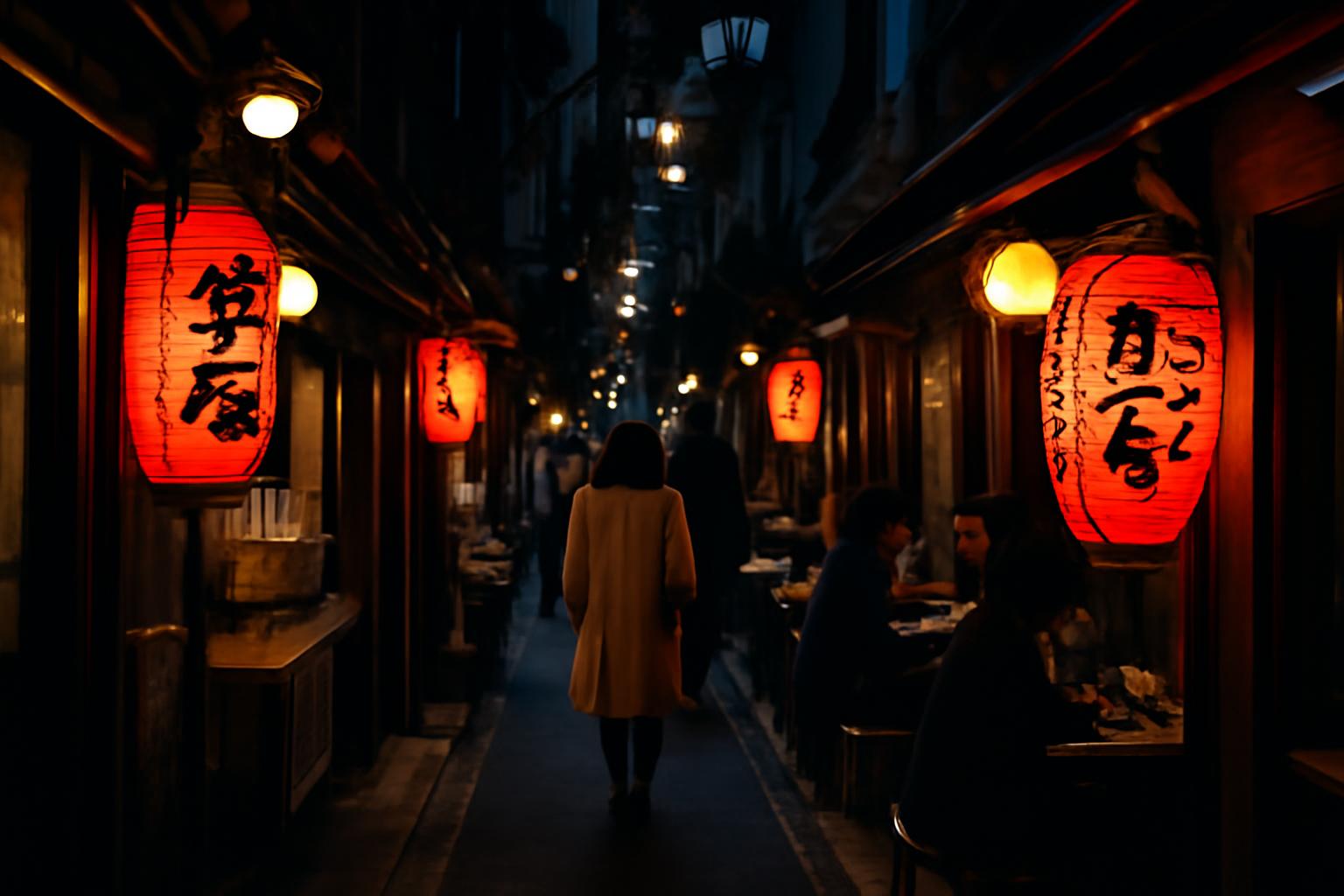
Yoyogi Park is the one literal option, scheduled three times in 2026 with free admission. Other experiences are yokocho alleys and late-opening Ameyoko.
Overview
Tokyo’s best night-market experiences are not Bangkok-style street bazaars. They are yokocho food alleys like Omoide Yokocho and Golden Gai in Shinjuku, the Ameyoko market street in Ueno that stays open late, and one literal night market: the Tokyo Night Market event at Yoyogi Park, which runs on scheduled dates three times in 2026 with free admission.
That distinction matters because it decides your evening. If your date lines up with the Yoyogi event (May 20 to 24, July 1 to 5, or October 21 to 25 in 2026), you get a true open-air night market until 10 p.m. On any other night, your choice is between a yokocho drinking alley and Ameyoko’s market-street energy. This guide walks you through each option, corrects the hour claims that circulate on other lists, and helps you match the venue to your group.
Does Tokyo Really Have Night Markets?
The short answer is not many, and setting that expectation now saves you a wasted evening. Tokyo’s official tourism site GO TOKYO puts it plainly: the city does not have many night markets of the kind you find in other big Asian cities, but it has a wide range of yokocho, narrow alleys filled with casual yatai stalls selling food and drinks. The food blog FoodieJapan agrees on the trade-off: there is less street food than in some other Asian cities, but what you do find is usually exceptional.
Why does this confusion exist? Most “best night markets in Tokyo” listicles are built by keyword rather than by local knowledge, so they mix in daytime flea markets, morning fish markets, and even restaurants that happen to have “market” in the name. Travel-guide pages like Agoda’s also publish generic claims, such as night markets opening around 5 p.m. and running to 11 p.m., that do not hold up at the venue level. This article treats those claims as claims to check, not facts to repeat.
So the honest reframe is this: plan for a yokocho evening, an Ameyoko stroll, or the scheduled Yoyogi event. Each delivers a different version of eating outdoors at night in Tokyo, and each suits a different kind of group.
Yokocho Alleys: Tokyo’s Closest Thing to a Night Market
If you want the night-market feeling on a random Tuesday, a yokocho is your answer. These are the alleys GO TOKYO points to as Tokyo’s stand-in for night markets: tight lanes of tiny bars and stalls, often tucked under or beside train tracks, glowing with lanterns and grill smoke after dark. GO TOKYO describes their retro atmosphere as intoxicating, and that framing is accurate. The appeal is less about browsing dozens of vendors and more about squeezing into a counter seat with a skewer and a drink.
GO TOKYO names the main options, and each sits in a distinct district:
- Omoide Yokocho (Shinjuku): the classic lantern-lit alley beside Shinjuku Station, dense with yakitori grills.
- Golden Gai (Shinjuku): a warren of tiny themed bars a short walk east of Omoide Yokocho, more about drinking than eating.
- Nonbei Yokocho (Shibuya): “Drunkard’s Alley,” a compact strip of small bars near Shibuya Station.
- Ebisu Yokocho (Ebisu): a covered indoor alley of food counters, one stop from Shibuya on the Yamanote Line.
- Suzunari Yokocho (Shimokitazawa): the pick if you are already exploring Shimokitazawa’s vintage-shop streets.
If you are choosing between them, think in terms of your base for the evening. Staying near Shinjuku gives you two alleys within a ten-minute walk of each other, so you can start with food in Omoide Yokocho and move to Golden Gai for a drink. Shibuya’s Nonbei Yokocho works as a short, atmospheric stop before dinner elsewhere. Ebisu Yokocho is the most weather-proof choice because it is covered.
One planning note: the supplied sources do not verify exact opening hours for any of these alleys. Treat them as evening-into-late-night venues where individual stalls set their own hours, and go with a first-choice and backup stall in mind rather than a fixed reservation plan.
Who Yokocho Suit — and Who Should Think Twice
Yokocho suit couples, solo diners, and pairs of friends who are comfortable in tight spaces and plan to drink. They are harder work for large groups and vegetarians, and here is why.
Visitor reviews collected on Wanderlog’s Tokyo night-market list describe Omoide Yokocho stalls as tiny, around 3 square meters in some cases, which makes seating a group of four or more together genuinely difficult. The same review pool notes that some Omoide Yokocho stalls apply a small cover charge, so do not be surprised if a modest fee appears on your bill alongside your skewers. One visitor review also flags that there are not many vegetarian choices at these izakaya-heavy alleys, where menus lean on grilled chicken, pork, and seafood.
On kid-friendliness, the honest answer is that the supplied evidence is thin. GO TOKYO frames yokocho around food and drinks, and the character of most alleys is an adult drinking environment, especially later in the evening. If you are traveling with children, Ameyoko in the early evening is the safer bet, and the Yoyogi event, with its open park setting and free admission, is the most family-shaped option of all.
Ameyoko in Ueno: The Market Street That Stays Open Late
Ameyoko is the one recurring market street in Tokyo that GO TOKYO explicitly says stays open late, which makes it your best nightly option for market-street browsing rather than alley drinking. Formally Ameyoko Shopping Street, it runs under the train tracks near Ueno Station, and FoodieJapan describes it as full of energy, especially on weekends.
The character here is different from a yokocho, and the difference should drive your choice. A yokocho after dark is a sit-down drinking alley: you claim a counter seat and stay a while. Ameyoko is a walk-and-graze street: you move between stalls picking up snacks. FoodieJapan lists takoyaki, yakitori, Korean-style corn dogs, and plenty of other snacks along the strip, alongside the general merchandise and grocery stalls that give the street its market feel. If your evening goal is photos, variety, and eating while walking, Ameyoko wins. If your goal is settling in with drinks and grilled food, pick a yokocho.
One caveat to plan around: none of the supplied sources documents Ameyoko’s exact closing time. “Stays open late” is the tourism board’s wording, not a clock time, and individual stalls will wind down at different hours. Arriving in the early evening rather than at 10 p.m. gives you the fullest version of the street. Access is simple: the street starts steps from Ueno Station on the Yamanote Line.
Is Tsukiji Outer Market Open at Night?
No. Tsukiji Outer Market is a morning market, and you should plan it for breakfast or lunch, not dinner. This is the single biggest correction this page can offer, because Tsukiji appears on almost every “night markets in Tokyo” list, including Agoda’s nighttime market guide, which frames Tokyo’s markets around a 5-to-11 p.m. window.
The venue-level evidence says otherwise. FoodieJapan states that many stalls close by early afternoon and that the best time to visit is in the morning to get the full experience. Reviewer guidance on Wanderlog’s list matches: shops close early, so it is best to come in the morning, though an afternoon visit can still be rewarding, with some vendors offering discounts late in their day.
So structure your day around that reality. Go to Tsukiji for a morning food crawl, then plan a separate evening at a yokocho, Ameyoko, or the Yoyogi event. Two practical notes for the morning visit, both from the Wanderlog review pool: you will need cash for most stalls, and there is an ATM available inside the market if you run short. If a listicle tells you Tsukiji stays open late, treat the rest of that list with suspicion too.
The Tokyo Night Market Event at Yoyogi Park
The Tokyo Night Market at Yoyogi Park is the one option on this page that is literally a night market, and its 2026 schedule is confirmed. According to event coverage on Secret Tokyo, the event debuted in October 2023, expanded to twice yearly in 2024, and added an early-summer spin-off in 2025 to become a three-time annual event. All 2026 runs take place on the Zelkova Tree-Lined Path (Keyaki Namiki) in Yoyogi Park, Shibuya Ward.
Here are the confirmed 2026 dates and hours, triangulated across the official event site, the Gurutto Tokyo event board, and Secret Tokyo’s schedule coverage:
- May 20 (Wed) to May 24 (Sun): weekdays 16:00 to 22:00, Saturday and Sunday 14:00 to 22:00
- July 1 (Wed) to July 5 (Sun): the “Star and Sun Market” spin-off produced by Tokyo Night Market, same hours
- October 21 (Wed) to October 25 (Sun): same hours
- Admission: free for all runs
Tokyo Cheapo’s event listing confirms the weekday 4-to-10 p.m. pattern and adds the scale: food from over 35 local food vendors, which is what makes this feel like a genuine night market rather than a food fair. Wanderlog’s coverage of the event also notes live performances, art exhibitions, and stalls selling local crafts, so budget time for more than eating. Secret Tokyo highlights the defining feature: it runs daily until 10:00 p.m., which is late by Tokyo outdoor-event standards.
One important caveat before you build an itinerary around these dates. Tokyo Cheapo’s listing carries a direct warning that organizers may cancel events, alter schedules, or change admission requirements without notice. So treat the dates above as your planning baseline, then confirm on the official site in the week before you go. Access is straightforward: Yoyogi Park sits in Shibuya Ward, and the Zelkova Tree-Lined Path is on the park’s east side, near Harajuku.
What’s Actually Open Tonight: Venues vs. Events
The core planning problem with this topic is that recurring venues and scheduled events get mixed together in the same lists, so you cannot tell what is available on your specific night. The table below separates them and is honest about which hours are actually verified. The generic claim that Tokyo night markets run 5 p.m. to 11 p.m. (published in Agoda’s guide) is confirmed at no venue in this evidence set; the only clock-verified hours belong to the Yoyogi event.
| Option | When it is realistically open | Hours verified? | Best for |
|---|---|---|---|
| Yokocho alleys (Omoide Yokocho, Golden Gai, Nonbei Yokocho, Ebisu Yokocho, Suzunari Yokocho) | Evenings and after dark, nightly; individual stalls set their own hours | No; no source documents exact hours | Solo diners, couples, small groups who want food and drinks at a counter |
| Ameyoko, Ueno | Daytime into the evening; GO TOKYO confirms it stays open late, without a clock time | Partially; “open late” only | Walk-and-graze snacking, weekend energy, early-evening family visits |
| Tsukiji Outer Market | Mornings; FoodieJapan reports many stalls close by early afternoon | Yes, as a morning pattern | A breakfast or lunch food crawl, not an evening plan |
| Tokyo Night Market, Yoyogi Park | Only on scheduled 2026 dates: May 20–24, Jul 1–5, Oct 21–25 | Yes; weekdays 16:00–22:00, weekends 14:00–22:00 per the official site and event board | A true night market: 35+ food vendors, performances, free admission |
Read the table from right to left when deciding: figure out what kind of evening you want, then check whether that option exists on your date. If your trip misses all three Yoyogi windows, your realistic nightly choices are a yokocho or Ameyoko, and the next section helps you decide what to eat once you are there.
Street Foods Worth Ordering
Wherever you land, a handful of stall staples cover most of what you will see, and knowing them in advance makes ordering faster in a cramped alley. The dish you will meet most often in “night market” coverage is takoyaki, and Agoda’s guide describes its composition accurately: a savory batter filled with diced octopus, tempura scraps, pickled ginger, and green onions, cooked into golf-ball-sized rounds. Yakitori, skewers of grilled chicken, is the anchor food of yokocho like Omoide Yokocho, where the grill smoke is half the atmosphere.
At Ameyoko, FoodieJapan’s rundown gives you the shortlist: takoyaki, yakitori, Korean-style corn dogs, and plenty of other snacks along the street. Beyond those sourced picks, a few other stall standards are worth recognizing on sight:
- Taiyaki: a fish-shaped pastry, typically with a sweet filling, sold as a hand-held snack.
- Grilled squid: a whole or skewered squid grilled at the stall, common at market streets and festival stalls.
- Tamagoyaki: a rolled omelet, a staple at Tsukiji’s morning stalls.
Match the food to the venue type. Yokocho food is counter food: skewers and small plates meant to accompany drinks, ordered a few at a time while seated. Ameyoko food is walking food: hand-held snacks you graze on between stalls. Tsukiji food is morning food, so save the tamagoyaki craving for a daytime visit. At the Yoyogi event, with over 35 vendors per Tokyo Cheapo, you will find a wider spread than any single alley can offer.
Naming Traps and Night-Market Alternatives
Several entries that dominate other “night markets in Tokyo” lists are not night markets at all, and knowing the traps saves you an evening of backtracking. The clearest example is Night Market in Shibuya, which is a restaurant, not a market. It appears in the Michelin Guide as a Bib Gourmand listing serving Southeast Asian hawker-style food. If you land on it while searching, understand what it is: a sit-down dinner spot, and actually a reasonable alternative if you want Southeast Asian night-market flavors on a night when no real market is running.
The second trap is daytime markets dressed up as night markets. Wanderlog’s widely ranked list of Tokyo “night markets” includes the Oedo Antique Market and Tsukiji Outer Market among its favorites, alongside flea markets and small bars. Antique and flea markets are daytime browsing events, and Tsukiji, as covered above, winds down by early afternoon. None of these solves an evening plan.
If your dates miss the Yoyogi event and a yokocho does not fit your group, you still have grazing alternatives. FoodieJapan’s coverage of Tokyo’s food scene points beyond street stalls to the city’s broader casual-food infrastructure, and the practical version of that advice is this: department store basement food halls (open into the evening) and convenience stores both let you assemble a varied, inexpensive spread of Japanese snacks, which is functionally what night-market grazing delivers. It is not atmospheric, but it feeds a family of five at 9 p.m. without a seating problem.
Seasonal Matsuri Yatai
There is one more night-market-like experience that almost no ranking page covers: the yatai stalls at seasonal matsuri, Japan’s neighborhood and shrine festivals. When a festival is on, rows of food stalls line the approach streets after dark, selling grilled and fried festival food to strolling crowds. In feel, this is the closest Tokyo gets to a Southeast Asian night market: outdoor, nocturnal, food-first, and free to wander.
The limitation is timing. Festivals are tied to specific shrines, neighborhoods, and dates, and the sources for this article contain no festival schedules, so no specific event can be responsibly recommended here. If your travel dates are fixed, check a current Tokyo event listing for festivals during your stay and treat any match as a strong evening option.
Practical Tips: Cash, Trains, Timing, and Safety
The logistics for all of these venues come down to four decisions: how you pay, when you arrive, how you get there, and whether to worry about walking around at night. Here is each one settled.
Payment: carry cash. FoodieJapan states that cash is still the main payment method at most markets and stalls, and Wanderlog’s Tsukiji guidance repeats it, noting there is an ATM inside that market if you run short. Agoda’s guide adds that some vendors accept credit cards or mobile payments, but treat that as a bonus, not a plan. A practical target is enough yen for your whole evening of small purchases, since stall transactions are frequent and small.
Timing: arrive early evening. For yokocho and Ameyoko, an early-evening arrival gets you a seat before the alleys fill and the fullest version of the street before stalls start closing at their own individual hours. For the Yoyogi event, the verified windows do the work for you: gates run to 22:00 daily, with weekend openings from 14:00 per the event board listing.
Access: use the train. All the main options sit on or near major stations: Shinjuku for Omoide Yokocho and Golden Gai, Shibuya for Nonbei Yokocho, Ebisu for Ebisu Yokocho, Ueno for Ameyoko, and Yoyogi Park in Shibuya Ward for the event. If you are new to Tokyo’s rail system, the simple version is that a prepaid IC card tapped at the gates covers all of these trips without buying individual tickets.
Safety: this is not the constraint. GO TOKYO notes that Tokyo is known for being relatively safe at night, and Agoda’s guide adds that market areas are generally crowded and lively. Solo travelers, including solo diners at yokocho counters, are a normal sight. Your real planning constraints are dates and hours, not safety, so spend your worry budget on confirming the Yoyogi schedule, not on the walk home.