
Best Breakfast in Tokyo: Traditional Sets, Western Cafés, and Budget Morning Options
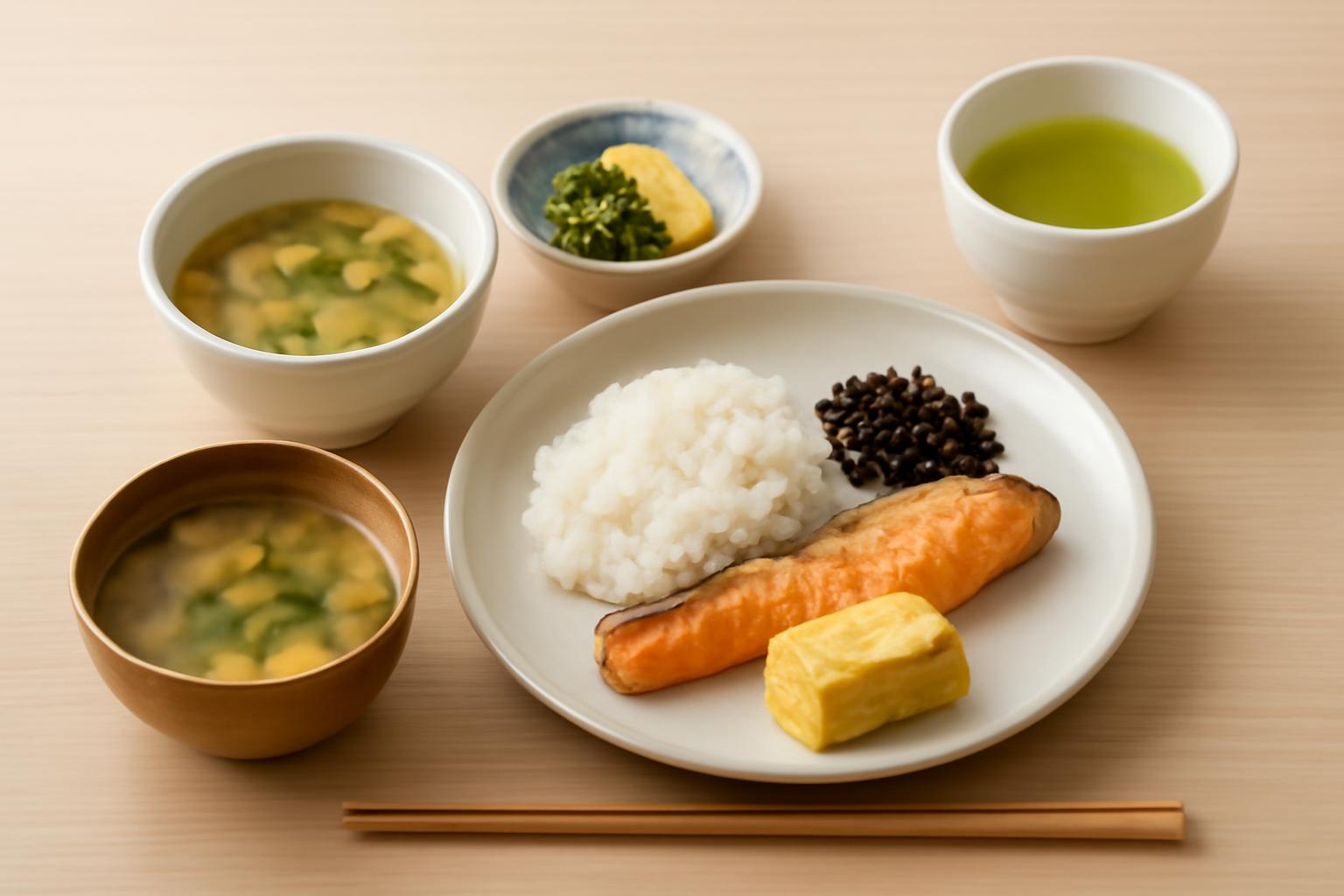
Chains and konbini own the 5 to 7am slot. Cafés take over from 7am, followed by traditional set restaurants. Budget and area narrow the choice.
Overview
The best breakfast in Tokyo depends on your morning: for a traditional Japanese set, head to Tsumugi near Tsukiji or Yaesu Hatsufuji at Tokyo Station; for Western plates, choose World Breakfast Allday or bills; for budget or pre-7am mornings, use gyudon chains, morning sets, and convenience stores. The deciding factors are timing, location, and price, not just taste.
The complication is that Tokyo’s food scene starts late. Food Tour Tokyo describes Tokyo as a city that comes alive at night, which makes finding a great breakfast spot harder than you would expect, and Tokyo Cheapo notes that the cheap morning menus run only in a short window each day. This guide organizes the picks by style, budget, and location so you can slot a specific spot into each morning of your itinerary. One caveat before you plan a make-or-break morning around any single restaurant: hours and prices in the source coverage span several years, and at least one popular pancake shop changed its opening time between visits, so verify current hours the evening before you go.
Why Early Breakfast in Tokyo Is Harder Than You Expect
Two timing constraints work against early risers in Tokyo: many cafés open late, and the cheap morning menus close early. The travel blog Ilse on the Go reports that some cafés and restaurants do not open until 10:30 or even 11am, which makes it difficult to find breakfast before an early day of sightseeing. Time Out Tokyo puts it plainly: Tokyo is not exactly flushed with breakfast places open as early as 8am.
The second constraint is the serving window. According to Tokyo Cheapo, morning sets are available only for a short window each day, typically between 7 or 8am and 10 or 11am. Arrive at 11:30 and the bargain breakfast menu is gone, even if the shop itself is open.
The practical response is to build your morning around a documented early opener. Food Tour Tokyo highlights Sawamura, which opens at 7:00am, as one of the rare places serving a proper early sit-down breakfast. SoraNews24 documents Yaesu Hatsufuji at Tokyo Station serving Japanese morning fare from 7am. Tokyo Weekender adds a short list of pre-8am openers, including Slow Jet Coffee from 7am, Mixture Bakery & Café from 7:30am, and Suzu Cafe Roppongi from 6:30am. Pick one of these anchors, arrive inside its window, and the late-city problem mostly disappears.
Where to Eat Before 7am When Jet Lag Wins
If jet lag has you awake at 5am, your realistic options are 24-hour chains and convenience stores, not cafés. Tokyo Cheapo reports that at 24-hour restaurants like Matsuya, breakfast sets can begin as early as 5am, well before the usual 7am start elsewhere. Current guides cover this pre-7am segment thinly, so treat the following as your dependable core rather than an exhaustive list:
- Matsuya and other 24-hour gyudon chains. Tokyo Cheapo documents Matsuya’s sets from 5am, and the Tripadvisor Tokyo forum recommends inexpensive gyudon restaurants for a hot breakfast.
- Convenience stores. Always open, everywhere, with sandwiches around ¥300 per the Tripadvisor forum (more on this below).
- Suzu Cafe Roppongi from 6:30am, per Tokyo Weekender, if you want a sit-down café before 7am.
The pattern to remember: chains and konbini own the 5 to 7am slot, cafés take over from 7am, and the traditional set restaurants follow. Plan your first jet-lagged morning around a chain near your hotel, then save the destination breakfasts for day two onward.
The Morning Set: Japan’s Breakfast Bargain
A morning set (モーニングセット) is a discounted breakfast combination that cafés and chains serve only during the morning hours, and it is the single best value in Tokyo’s breakfast landscape. Tokyo Cheapo states it directly: breakfast in Japan happens to be the cheapest meal of the day, and morning sets are the reason why.
The format is simple. A shop bundles a main item with sides and usually a drink at a price well below what the same order would cost à la carte. Tokyo Weekender’s examples show the range: Slow Jet Coffee’s morning-only Waffle Morning Set is ¥650 with bacon, a fried egg, salad, and a waffle with maple syrup, while Mixture Bakery & Café’s set of assorted breads, salad, a boiled egg, and a drink starts at ¥500.
The catch is the window. Tokyo Cheapo documents that morning sets run only from about 7 or 8am until 10 or 11am. Miss the window and you pay regular prices. It is also worth knowing what the morning set is not: it is a café and chain phenomenon, not a universal custom. Your hotel does not run one, and you should not assume every coffee shop does either. The move is to identify one morning-set shop near your base, confirm its window, and treat it as your default cheap breakfast for the trip.
Traditional Japanese Breakfast Sets and Where to Try Them
A traditional Japanese breakfast is a set meal, and knowing its structure makes every menu in this section readable. According to byfood, the traditional set typically includes grilled fish, white rice, miso soup, pickles, and various side dishes. When a menu says “breakfast set” or “teishoku,” this is the template, and larger sets are variations that multiply the small side dishes.
The most celebrated version in the source coverage is the 18-dish set at Tsumugi, near Tsukiji. Tokyo Zebra calls the Japanese set meal with 18 little dishes and all-you-can-eat porridge the go-to order, and The Awkward Traveller recommends the 18-dish sampler as the way to try many traditional breakfast items at once. Time Out Tokyo prices it at ¥1,800: a bowl of rice porridge, a bowl of miso soup, and 16 small plates of seasonal dishes such as duck with sansho pepper, tamagoyaki, and matcha jelly, with the “18” concept inspired by the 48 Great Vows of Amitabha Buddha. Time Out also lists a simpler traditional set (grilled fish, pickles, tamagoyaki, salad, rice, miso soup) for ¥750, with breakfast served until 11am. Availability is the constraint: Time Out reports only 30 servings of the 18-dish set on weekdays and 50 on weekends, and Tokyo Zebra warns it often sells out before breakfast hours end.
For a cheaper, faster traditional set, SoraNews24 documents Yaesu Hatsufuji at Tokyo Station, an izakaya serving classic sets with rice, hijiki, pickles, seaweed, and miso soup for about ¥700, from 7 to 11am including weekends.
Then there is Tsukiji itself. Tokyo Zebra calls the Tsukiji market an essential breakfast stop, and byfood notes that although the wholesale fish market has moved, the outer market still thrives with over 360 establishments, including seafood stalls, restaurants, and spice shops. Go early, graze the stalls, and treat the market itself as breakfast.
Western and International Breakfasts Worth Crossing Town For
If you do not want a Japanese set every morning, four evidenced picks cover the Western and international side. The most distinctive is World Breakfast Allday, which serves breakfasts from around the world on a rotating basis. The Awkward Traveller lists French, Mexican, and English breakfasts among its offerings, and the Ginza official guide documents the detail that sets it apart: new international dishes are created in partnership with that country’s embassy or with people from that country living in Tokyo. The rotation changes periodically, so check what country is featured before you go. Tokyo Weekender lists a World Breakfast Allday location opening at 7:30am, early by Tokyo café standards.
For the famous option, bills is the name that recurs. The Ginza guide reports that bills is famous for its ricotta pancakes and scrambled eggs, which have been called “the best breakfast in the world” and “the world’s best egg dishes.” It is correspondingly busy; the same guide recommends reserving in advance because the restaurant is full every day, a point covered in the lines section below.
For American Southern food, The Awkward Traveller points to Soul Food House, whose brunch menu features shrimp and grits, chicken and waffles, and biscuits and gravy. It is the pick when you want a heavier, familiar brunch rather than a Tokyo interpretation of one.
Finally, for an early Western sit-down breakfast, Food Tour Tokyo recommends Sawamura, open from 7:00am, where the Eggs Benedict comes with rich hollandaise and thick-cut ham alongside flaky croissants. Food Tour Tokyo puts the cost at ¥1,500 to ¥2,500 per person for a full meal, which is the realistic budget for this whole category.
Soufflé Pancakes in the Morning: The Timing Catch
You can get soufflé pancakes in Tokyo, but treating them as a reliable breakfast is riskier than it looks, for two documented reasons. First, supply is limited. The Awkward Traveller warns of one popular pancake spot that it can make only a limited quantity of pancakes each day, so arriving late means missing out entirely.
Second, hours shift. Ilse on the Go notes that a popular pancake shop opened at 11am on her last visit, even though earlier coverage listed a morning opening. That kind of drift means any specific opening time you read for a pancake shop, including in this article’s sources, may already be stale.
The practical play: if fluffy pancakes are a priority, check the shop’s current hours the night before, plan to arrive at or before opening, and keep a backup breakfast nearby in case the day’s batch is gone. Do not build a tight itinerary morning around a pancake shop; build a flexible late-morning around one instead.
Budget Breakfasts: Gyudon Chains and Family Restaurants
The cheapest genuinely good sit-down breakfasts in Tokyo come from gyudon chains and family restaurants, both documented on the Tripadvisor Tokyo forum. Forum contributors report Japanese breakfast sets under ¥600, and recommend inexpensive gyudon restaurants (chains like Matsuya, which Tokyo Cheapo documents opening as early as 5am) for a hot breakfast. Family restaurants such as Denny’s, Jonathan’s, and Royal Host serve both Western and Japanese sets, and some even have buffets, per the same forum thread.
If you have read elsewhere that Tokyo breakfast is expensive, both things are true, and the difference is the venue. Food Tour Tokyo’s café benchmark is ¥1,500 to ¥2,500 per person, while Tokyo Cheapo maintains that breakfast is the cheapest meal of the day in Japan. The reconciliation: destination cafés charge café prices, but chains, family restaurants, and morning sets keep a full hot breakfast in the ¥500 to ¥700 range. Choose the tier that fits the morning, and use the chains on days when the budget or the clock is tight.
Konbini Breakfast: What to Grab and What It Costs
Convenience-store breakfast in Japan is genuinely good, and it is the cheapest tier of all. Ilse on the Go describes the quality and offerings of Japanese 7-Eleven as elite, and the Tripadvisor forum confirms the sandwiches are decent at about ¥300 on average, with onigiri costing less.
The documented go-to items are simple:
- Sandwiches, around ¥300 per the Tripadvisor forum, with the egg sandwich the standard traveler pick.
- Onigiri (rice balls), cheaper than the sandwiches per the same forum thread.
Beyond those staples, the shelves change by store and season, so browse rather than hunt for one specific item. Konbini breakfast is the right call on three kinds of mornings: pre-7am starts before anything else opens, travel days when you eat on the platform, and any morning when you would rather spend your time at Tsukiji or in a garden than in a café queue. There is one on nearly every block, so it never needs to be planned in advance.
Breakfast by Location: Tokyo Station, Tsukiji, and Ginza
The source coverage supports deep picks in three areas, Tokyo Station, Tsukiji, and Ginza, so anchor your breakfast plans to whichever of these sits closest to your morning’s first activity. This is honest scoping: no current guide maps breakfast comprehensively across every Tokyo neighborhood, so if you are based in Shinjuku or Shibuya, the reliable play is the chains, morning-set cafés, and konbini from the budget sections, which exist near every major station, plus any of the picks here as a short train ride. (The Neighborhood Guide’s early-breakfast roundup does list scattered café hours in areas like Nakameguro and Yanaka, but not at decision depth.)
Tsukiji is the classic breakfast district. Per byfood, the outer market runs over 360 establishments even after the wholesale market’s move, and Tokyo Zebra treats it as an essential breakfast stop. Tsumugi’s 18-dish set sits in this area too, which makes Tsukiji the strongest single morning in the city for traditional food.
Ginza, one stop away, is the documented cluster for polished sit-down breakfasts. The Ginza official guide covers eight breakfast spots including bills and World Breakfast Allday, and it is the only area coverage that documents reservations and payment methods per spot.
Tokyo Station is the pick when a morning train is involved, covered next.
Tokyo Station Picks Before an Early Shinkansen
If you have an early shinkansen, eat inside the station rather than gambling on outside cafés. Two picks are documented. For sushi, Tokyo Zebra names Tsukiji Sushi Sei in Gransta as a favorite: a proper sushi shop with a counter and roots in Tsukiji, so the freshness is the point.
For a traditional set, SoraNews24 documents Yaesu Hatsufuji, an izakaya on the Yaesu side serving breakfast sets for about ¥700 from 7 to 11am, weekends included, which covers almost any departure after 7:15 or so. Ordering is by meal ticket: you buy a ticket from the vending machine at the entrance and hand it to the staff, no menu conversation required. SoraNews24’s coverage also mentions a nice touch: you can reportedly ask for “gohan omori” for a larger serving of rice at no extra charge. Treat that as a reported tip rather than a guaranteed policy, but it costs nothing to ask.
The sequencing that avoids stress: arrive at the station 60 to 75 minutes before departure, eat first, then walk to your platform with time to spare, rather than trying to squeeze breakfast in after locating your gate.
What Breakfast Costs in Tokyo: A Price Ladder
Budget roughly ¥300 to ¥2,500 per person depending on tier, and note that every rung below is a documented figure, not an estimate. The ladder runs:
- ~¥300: konbini. Sandwiches average about ¥300 and onigiri cost less, per the Tripadvisor forum.
- ¥500–650: morning sets. Mixture Bakery’s set starts at ¥500 and Slow Jet Coffee’s waffle set is ¥650, per Tokyo Weekender; the Tripadvisor forum reports Japanese sets under ¥600.
- ~¥700–750: izakaya and simple traditional sets. Hatsufuji’s sets are about ¥700 per SoraNews24; Tsumugi’s simpler traditional set is ¥750 per Time Out.
- ¥1,500–2,500: destination cafés. Food Tour Tokyo’s full-meal estimate, with Tsumugi’s 18-dish set at ¥1,800 (Time Out) sitting inside this band.
Pricier options exist above this ladder, notably hotel breakfasts, but the source coverage does not document current figures for them, so confirm with your hotel directly. The apparent contradiction between “breakfast is Japan’s cheapest meal” (Tokyo Cheapo) and café prices near ¥2,500 resolves on this ladder: the cheap claim describes the bottom three rungs, which only exist during the morning window. Eat early and low on the ladder, and breakfast really is the day’s bargain.
How to Beat Lines, Sell-Outs, and Limited Daily Sets
The biggest breakfast risk in Tokyo is not a bad meal, it is arriving to find the thing you planned for is sold out. The failure modes are documented and specific. Tokyo Zebra reports that the 18-dish set often sells out before breakfast hours end, especially on weekends, and Time Out quantifies the ceiling: only 30 servings on weekdays and 50 on weekends. The Awkward Traveller reports a set number of meals per day (they believe 100) at a popular traditional spot, and the same limited-daily-quantity pattern at a soufflé pancake shop. When these places run out, they are simply out for the day.
Waits follow the same weekend pattern. Tokyo Zebra reports 1 to 2 hour waits on weekends and holidays at one favorite local spot, versus easy access on weekdays, and recommends avoiding weekends outright if your schedule allows.
Three tactics cover nearly every case:
- Prefer weekdays for the famous spots. The documented gap (easy weekday entry versus 1 to 2 hour weekend waits, and 30 versus 50 servings that still sell out faster on weekends) makes this the highest-value scheduling decision you can make.
- Arrive at or before opening for limited sets. Tokyo Zebra’s advice for the 18-dish set is to be there early or go on a weekday to be safe.
- Use the off-peak window at all-day spots. For bills, the Ginza guide recommends stopping by between 3:00pm and 6:00pm to avoid the morning rush, since the breakfast dishes run all day there. A 4pm plate of ricotta pancakes with no queue beats a 9am queue with no pancakes.
Structure each trip morning as one line-prone destination, held for a weekday, with a chain or konbini fallback nearby. That way a sold-out sign costs you ten minutes, not the morning.
Ordering, Payment, and Reservations: What Surprises First-Timers
Three logistics catch first-time visitors: ticket machines, cashless-only counters, and reservation-required cafés. All three are documented for Ginza and Tokyo Station specifically, so treat this section as verified for those areas and as a pattern to check individually elsewhere.
Meal-ticket vending machines. At many casual restaurants, you order before you sit. SoraNews24 describes the flow at Hatsufuji: buy a meal ticket from the vending machine at the entrance, then hand it to the staff. The Ginza guide documents the same system at spots in Ginza. The sequence is always the same: machine first, ticket to staff, food arrives, no bill at the end. If the machine’s buttons are unclear, photos or prices usually identify the sets, and staff will help if you hesitate.
Cashless-only counters. The reflex to carry cash in Japan is sound, but it can fail in the opposite direction. The Ginza guide states plainly for one breakfast spot that you order by buying a ticket from the machine and that cash is not accepted, and it documents the same cashless-only policy at a second Ginza restaurant. Carry both a card and cash, and glance at the machine’s payment notice before queueing.
Reservations. For bills, the Ginza guide recommends reserving in advance because the restaurant is popular and full every day. City-wide reservation norms are not documented in current coverage, so for any other popular breakfast spot, check its website or ask your hotel to confirm whether same-day walk-ins are realistic.
Which Breakfast Fits Your Morning: Picks by Traveler Need
Match tomorrow’s constraints (wake time, budget, location, tolerance for lines) to a row below. Every price and window in this table comes from the sources cited earlier; where a detail is not documented, the cell says so rather than guessing.
| Your morning | Evidenced pick | Typical price | Serving window | Notes |
|---|---|---|---|---|
| Full traditional experience | Tsumugi 18-dish set, near Tsukiji | ¥1,800 (Time Out) | Breakfast until 11am (Time Out) | 30 weekday / 50 weekend servings; sells out, go weekday and early (Time Out, Tokyo Zebra) |
| Western or international | World Breakfast Allday; bills | ¥1,500–2,500 café tier (Food Tour Tokyo) | One location from 7:30am (Tokyo Weekender); bills off-peak 3–6pm (Ginza guide) | Reserve bills in advance (Ginza guide) |
| Budget sit-down | Gyudon chains; family restaurants (Denny’s, Jonathan’s, Royal Host) | Under ¥600 sets (Tripadvisor forum) | Morning-set window, roughly 7–8am to 10–11am (Tokyo Cheapo) | Some family restaurants have buffets (Tripadvisor forum) |
| Grab-and-go | Konbini sandwich or onigiri | ~¥300 sandwich, onigiri less (Tripadvisor forum) | 24 hours | Best fallback for any plan that falls through |
| Awake before 7am | Matsuya; konbini | Chain-set tier | Matsuya sets from 5am (Tokyo Cheapo) | 24-hour chains own the pre-7am slot |
| Early shinkansen | Yaesu Hatsufuji; Tsukiji Sushi Sei in Gransta | ~¥700 sets at Hatsufuji (SoraNews24) | 7–11am, weekends included (SoraNews24) | Ticket-machine ordering; eat before finding your platform |
Two rows deserve a final flag. The Tsumugi row is the one most worth protecting with a weekday slot, since it has the hardest documented supply cap. And the pre-7am row is the one where verification matters least: chains and konbini are open regardless, which is exactly why they belong in every itinerary as the fallback layer.
FAQ
Which Tokyo breakfast spots have good vegetarian, vegan, or halal options?
Current breakfast coverage documents almost nothing here, so plan on verifying menus directly rather than relying on guides. The few documented leads are indirect: Time Out’s description of Tsumugi’s 18-dish set includes several tofu and vegetable plates (tofu with yuzu, konnyaku shiroae), though the set as served is not labeled vegetarian, and the Western cafés in the Ginza guide’s coverage publish their menus online. For vegan, halal, or gluten-free needs, contact the restaurant before you go; none of the sources in this guide documents certified options, and assuming one would be a mistake.
Is it worth paying for hotel breakfast in Tokyo, or better to eat out?
No source directly compares the two, but the documented facts favor eating out on most mornings. Tokyo Cheapo documents breakfast as Japan’s cheapest meal via morning sets, a format hotels do not offer, and the city’s evidenced range runs from ¥300 konbini items through ¥500–750 sets to ¥1,500–2,500 café plates. Current hotel-breakfast pricing is not documented in this guide’s sources, so confirm your hotel’s rate and compare it against that ladder. The reasonable split: skip hotel breakfast on days when a Tsukiji morning, a morning set, or a station breakfast fits your route, and keep it only for mornings when convenience genuinely outweighs the experience of eating in the city.