
Best Lunch Spots in Tokyo: A Value-First Guide by Price Tier, Neighborhood, and Format
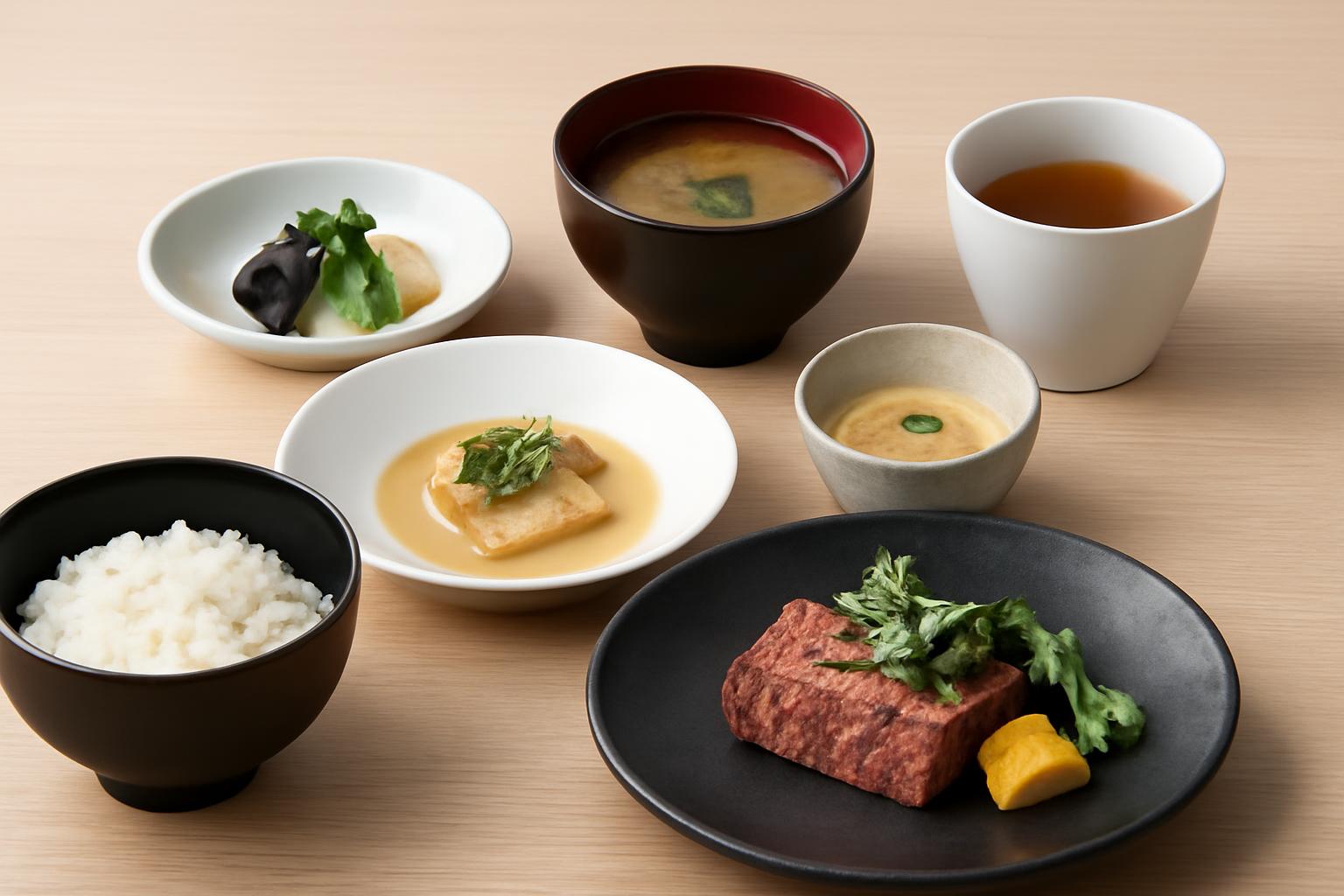
At XEX Greenhills, lunch is around ¥2,500 versus ¥10,000 at dinner. Options run from ¥1,000-class counters to wallet-friendly Michelin-recognized shops.
Overview
The best lunch spots in Tokyo are the ones where lunch is the deal: upscale restaurants like XEX Greenhills Roppongi serving set lunches around ¥2,500 that would cost ¥10,000 at dinner, ¥1,000-class ramen and teishoku counters, and Michelin-recognized shops running wallet-friendly midday menus. Pick by price tier and neighborhood first, then plan around queues, ticket machines, and 11am openings.
That last part matters as much as the venue list. Most guides that rank for this query are all-day Tokyo food guides where lunch is a side note; even the Michelin Guide’s dedicated lunch list covers only six venues. The practical rules that decide whether your plan works, when doors open, whether you can book, whether the shop takes cards, are usually buried inside venue blurbs. This guide puts the venues and the execution logistics in one place, so you can commit each day’s single lunch slot with confidence instead of scrolling reviews at 11:45 with a line already forming.
Why Lunch Is Tokyo’s Best-Value Meal
Lunch is when Tokyo’s serious restaurants become affordable, and the gap is not subtle. The Tokyo Chapter puts numbers on it at XEX Greenhills in Roppongi: expect around ¥2,500 per person for the set lunch and around ¥10,000 per person for dinner at the same restaurant. That is the same kitchen at roughly a quarter of the evening price. The same writer notes another Tokyo lunch where you can have 4 to 5 courses for less than ¥3,000 per person.
This is a pattern, not a one-off. Eater’s Tokyo list, written by a local, repeatedly flags lunch as the value window, noting at one pick that “lunch is more affordable than dinner” with seasonal dishes on beautiful dishware, and at another that “lunch is an excellent value and popular with locals.” Going Awesome Places reaches the same conclusion bluntly: lunch menus really are that much cheaper than dinner, citing a Tempura-zen set at ¥2,160. And the Michelin Guide maintains a list of six Tokyo restaurants serving “satisfying lunches at wallet-friendly prices,” from noodles and pasta to curries and charcoal-grilled fish, which is the clearest signal that recognized kitchens deliberately price lunch for accessibility.
There is a second valid strategy, and it comes from a working chef. Junghyun Park of Atomix told Condé Nast Traveler that in Tokyo he usually goes “somewhere casual for ramen, or soba” at lunch because he likes one-bowl lunches and saves his bookings for dinner. Both approaches work; they are just different allocations of the same food budget. If your trip includes one expensive dinner you care about, eat one-bowl lunches. If you want high-end cooking without high-end bills, make lunch your main meal. Decide this per day before you pick venues, because the two strategies point you at completely different doors.
Tokyo Lunch Spots by Price Tier
Tokyo lunch pricing sorts cleanly into three tiers, and knowing which tier fits today’s plan is faster than comparing venues one by one. The local logic behind the cheap end is what Eater calls kosupa, the quality-to-price ratio: a ¥1,000 bowl in Tokyo is not a compromise, it is often the reason a shop has a line. At the top end, the tier logic flips: you are buying dinner-grade cooking at a midday discount, like the roughly ¥2,500 lunch versus ¥10,000 dinner gap The Tokyo Chapter documents at XEX Greenhills Roppongi.
| Tier | Typical spend per person | Format | Evidenced examples | Choose it when |
|---|---|---|---|---|
| Quick bowl | Around ¥1,000 | Ramen, soba, udon, kaisendon at a counter, often ticket-machine ordering | The kosupa value shops Eater highlights; the casual one-bowl ramen and soba lunches chef Junghyun Park describes to Condé Nast Traveler | You are between sightseeing stops, eating solo, or saving budget for dinner |
| Set lunch | Roughly ¥2,000–¥3,000 | Teishoku sets, tempura sets, multi-course lunch menus | Tempura-zen set at ¥2,160 (Going Awesome Places); XEX Greenhills set lunch around ¥2,500 and a 4–5 course lunch under ¥3,000 (The Tokyo Chapter); Michelin’s six wallet-friendly lunch picks | You want a proper sit-down meal and the day’s best value-for-quality ratio |
| Splurge lunch | Several thousand yen, still a fraction of dinner | Lunch omakase and course menus at upscale venues | XEX Greenhills, where dinner runs around ¥10,000 per person versus ¥2,500 at lunch (The Tokyo Chapter); Eater’s high-end picks where “lunch is more affordable than dinner” | You want a top kitchen without the dinner bill, and can plan or book ahead |
For calibration on the low end, a 2026 budget guide from The Ondo prices central Tokyo counter-shop ramen at ¥1,000 to ¥1,400 and neighborhood teishoku sets at ¥1,200 to ¥1,400, with serious tonkatsu and sushi lunch sets landing in the ¥1,800 to ¥3,500 range. The practical takeaway: assign each day a tier before you leave the hotel. A quick bowl day needs no planning beyond arrival timing; a splurge lunch day needs a reservation check the night before.
Where to Eat Lunch, Neighborhood by Neighborhood
The smartest way to use this list is to eat where you already are, so match these areas to your sightseeing day rather than crossing the city for a single meal.
Roppongi. XEX Greenhills is The Tokyo Chapter’s standout for exactly the reason this guide exists: the writer calls it a great dinner spot but says the quality of the lunch and the reasonable lunch prices are what impress, at around ¥2,500 for the set lunch. If your day includes the Roppongi museums, this is the natural splurge-tier-for-set-tier-money slot.
Ginza. Ginza is where The Tokyo Chapter points readers looking for gluten-free lunch options in Tokyo, and its department stores put you close to depachika food halls when a group cannot agree on one cuisine. Treat Ginza as your flexible day: restrictions, mixed groups, and set-lunch value all work here.
Asakusa. If you are doing the Sensō-ji circuit, The Ondo’s budget guide prices a tendon (tempura rice bowl) at Imahan in Asakusa at ¥2,000 to ¥3,000, squarely in the set-lunch tier and walkable from the temple area.
Aoyama and Omotesando. The same guide prices a tonkatsu set at Maisen Aoyama at ¥1,800 to ¥2,500, a fit for a Harajuku-to-Omotesando walking day when you want a substantial sit-down set without a splurge bill.
Tokyo Station and the department-store hubs (Shinjuku, Shibuya). Around the major terminals, the reliable move is the food hall rather than a single named restaurant: Eater says no visit to Tokyo is complete without exploring a depachika, the basement food halls of major department stores, and every big hub has one. This is the lowest-risk lunch near a station when your schedule is tight.
Three of Eater’s picks are worth traveling for on their own, wherever your day is based: Tamawarai for soba (no reservations, lines up to an hour), Katsuo Shokudo (bookable through its own website, which lets you skip the counter queue), and Udatsu, the rare high-end sushiya with a vegetarian menu. Check each one’s exact location and current hours on Google Maps before you build a day around it, since addresses and service days are the details that change most often.
The Lunch Formats Worth Knowing
Choosing a format first often beats choosing a venue, because in Tokyo the format tells you the price, the pace, and the seating before you ever see a menu. The core midday formats are the one-bowl noodle lunch (ramen, soba, udon), the rice bowl (kaisendon, tendon), tempura sets, sushi lunches, tonkatsu sets, and the teishoku.
The teishoku deserves special attention because it is the default good-value Tokyo lunch. Eater describes the composition at one of its picks: miso soup, small sides, and a main like sashimi or karaage fried chicken, with rice, as a complete set. It is a full, balanced meal at set-lunch prices, and it is what locals themselves queue for; Eater notes lunch at such places is “an excellent value and popular with locals.”
Two format-specific points can shape your planning. First, some menus exist only in the daytime: some shops serve only during the day, and that is a detail to verify per venue rather than assume. Separately, Eater advises reserving through Katsuo Shokudo’s own website to bypass the queue of diners hoping for a counter seat. If a place you care about is daytime-focused, it cannot be pushed to dinner, so it has to claim one of your lunch slots. Second, some kaisendon shops offer a finishing ritual where broth is poured over your remaining rice and fish to end the bowl as a light soup. Availability varies by shop, so it is worth asking about rather than expecting, but where offered it turns a ¥1,000-class bowl into a two-act meal.
Solo-Friendly and Quick-Turnaround Lunches
If you are eating alone or on a tight schedule, the counter-seat one-bowl lunch is the fastest respectable meal in the city. This is not a tourist workaround; it is how a Michelin-starred chef eats in Tokyo. Junghyun Park told Condé Nast Traveler he keeps lunch to casual one-bowl ramen or soba precisely because his evenings are committed. The ticket-machine workflow makes these shops quick by design: The Tokyo Chapter describes ordering at the vending machine in the corner, handing the ticket to staff, and getting fast service. Counter formats, including standing counters where they exist, also remove the awkwardness of solo dining entirely, since most seats are built for one. Budget 30 to 40 minutes door to door once seated, and you can fit a genuinely good lunch between two sightseeing stops.
Depachika, Food Halls, and Other Flexible Lunch Options
A department-store basement food hall is often the smarter lunch call than a restaurant, and it is worth planning as a first choice rather than a fallback. Eater is unambiguous: no visit to Tokyo is complete without exploring a depachika, the food halls on the basement levels of major department stores. Going Awesome Places describes them as a feast for the eyes, running from hot foods through desserts.
The decision logic is about group friction. The Tokyo Chapter highlights the food-court advantage directly: you can sit down together while everyone eats different food from different vendors, which solves the daily problem of one person wanting sushi while another wants tonkatsu. A restaurant forces consensus; a food hall does not. Food halls also absorb the timing problems this guide covers elsewhere, since there is no single queue to mistime and no reservation to secure.
For the cheapest or most time-pressed days, grab-and-go alternatives fill the same slot: convenience-store lunches and station bento (ekiben) are ordinary, accepted ways for people in Tokyo to eat midday, and they pair naturally with a park or a Shinkansen leg. Use the tier logic here too: a depachika spread can be a set-lunch-tier feast, while a konbini lunch frees budget for the evening. If your itinerary has one chaotic, over-scheduled day, assign the food hall to that day in advance.
Queues, Reservations, and Getting a Seat
Expect a line at any lunch spot worth listing, and plan for it rather than hoping around it. MS Travel Solo states the rule plainly: the best places to eat in Tokyo always have a queue, and it could be 10 minutes to 2 hours. Food Nerd Rockstar frames the local attitude the same way: Tokyo is perfectly happy to queue an hour for a cult bowl or an eight-seat counter. This is not a sign something has gone wrong with your plan. Tiny seat counts are part of what makes these shops good, and lines are the price of eight seats.
The reservation picture splits into three cases, and knowing which case your target falls into is most of the work. Some acclaimed shops take no reservations at all: Eater notes Tamawarai does not accept them, so you should expect to stand in line for up to an hour. Some take bookings through their own websites, and booking transforms the experience: Eater advises reserving through Katsuo Shokudo’s site specifically to bypass the queue for its counter seats. And hotel and department-store restaurants generally behave like restaurants anywhere, with conventional booking. Food Nerd Rockstar sums up the payoff: the net effect of planning ahead is less time in line and more time eating. Check which case applies the night before, not at the door.
When to Arrive to Beat the Lunch Queue
Arrive before the doors open, or come deliberately late; the worst arrival time is exactly noon. The anchor fact is the opening norm: Going Awesome Places notes most Tokyo restaurants do not open until 11am. At no-reservation shops, lines form before doors open, so arriving 15 to 30 minutes before opening usually means you are in the first seating rather than waiting through one or two full turnovers. Given that MS Travel Solo documents queues running from 10 minutes to 2 hours, being in the first seating is the difference between a short wait and losing your afternoon.
The alternative is the late-lunch window. Shops that serve continuously through the afternoon are quietest after the office-lunch peak passes, so a 1:30pm or later arrival often beats a 12:15pm one. The caveat, covered in the hours section below, is that many kitchens break between lunch and dinner service, so confirm a shop serves through the afternoon before you bet on a late arrival. These are strategies, not schedules; individual shops vary, so pair either tactic with a same-day check of the shop’s posted hours.
How to Book a Tokyo Lunch in English
You can secure most bookable Tokyo lunches in English before you arrive, through three channels in order of directness.
- The restaurant’s own website. Where a shop runs its own booking, use it; Eater’s advice for Katsuo Shokudo is exactly this, reserve through the website and skip the counter queue.
- ByFood. The Tokyo Chapter recommends booking via ByFood because you can choose your entire menu in English in advance, and calls it the easiest way to make sure you get what you need if you have dietary requirements or allergies.
- Your hotel concierge. For conventional restaurants without English booking pages, a concierge call the day before is the low-friction fallback.
The third case is the one you cannot book around: walk-in-only shops like Tamawarai, where Eater confirms no reservations are taken and the queue is the system. For those, your “booking” is your arrival time, so apply the arrive-early tactic above. Whatever the channel, Food Nerd Rockstar’s principle holds: planning ahead converts directly into less time in line and more time eating, which on a short trip is the scarcest resource you have.
Ordering and Paying: Ticket Machines, Cash, and Cards
At casual lunch shops, you often pay before you sit, and the machine expects your money before your order. MS Travel Solo notes that at many places, especially noodle shops, you must buy a ticket before sitting down. Going Awesome Places adds the detail that trips up first-timers: you have to put money into the machine first, then press the buttons for your dishes. The Tokyo Chapter describes the rest of the flow: take your ticket from the machine, hand it to a staff member, and service is fast. If the machine is Japanese-only, the photos on the buttons plus pointing will get you through; staff at ticket-machine shops handle confused visitors daily.
On payment, the sources you will read genuinely conflict, so here is the reconciliation. The cash-only warnings and the cards-are-fine reassurances are both true; they just describe different venue types. Japan Trip Navi’s 2026 cash-versus-card guide draws the line clearly: budget restaurants and ramen shops are usually cash only, while cards are now accepted at most chain restaurants, hotels, department stores, and convenience stores. YenFinder’s 2026 guide adds a useful calibration: mid-range and chain restaurants accept cards at roughly 95%, while family-run small restaurants sit around 50%. Translated into this guide’s tiers: assume cash for quick-bowl and small-counter lunches, and expect cards to work at hotel restaurants, department-store venues, and food halls. Carry enough yen each day for one or two cash-only meals, and you will never be caught out.
Three quiet failure modes are worth knowing in general terms. First, some izakaya-style places serve a small seated appetizer that carries a cover charge; it is a norm, not a scam, but it surprises people who did not order it. Second, heavily touristed eating alleys can price well above the neighborhood norm for similar food, so a quick price check before sitting is worthwhile. Third, tiny counter shops generally expect one order per seat; sharing a single bowl between two people is poor form in an eight-seat shop where your seat is the business. None of these will ruin a trip, but knowing them keeps a cheap lunch cheap and a small shop friendly.
Lunch Hours and Service-Day Traps
Tokyo lunch runs on a narrower schedule than most visitors assume, and the traps are specific enough to break an itinerary. The baseline, per Going Awesome Places, is that most restaurants do not open until 11am, so a 10:30 arrival buys you queue position, not food. The midday window then closes earlier than you might expect at many shops: MS Travel Solo notes some restaurants are open for lunch only, and others serve lunch and dinner but break in between. That afternoon break is the classic trap for sightseers who drift toward a late lunch at 2:30 and find a closed door until evening service.
Limited-day service is the second trap, and it is real at exactly the venues worth planning around. The Michelin Guide’s affordable-lunch list documents both patterns: one pick offers its Chinese set lunches on weekdays only, and another serves lunch Thursday to Saturday only. A weekday-only lunch cannot go in your Sunday plan, no matter how good it is.
On weekends and holidays specifically, the honest guidance is that the sources say little, which is itself the lesson: assume nothing. Some shops rest on Sundays, some on Mondays, some around national holidays, and the patterns are venue-specific. Before you commit a lunch slot, verify three things for that day: that the shop opens at all, what time lunch service starts, and when it ends or breaks. A one-minute check of the shop’s Google Maps or Tabelog listing the night before prevents the most common wasted trip in Tokyo food planning.
Vegetarian, Vegan, Gluten-Free, and English-Menu Lunches
You can eat well at lunch in Tokyo with dietary restrictions, but you should book ahead rather than walk in, because dedicated coverage for restricted diets is genuinely thinner than for mainstream lunches. The evidence supports specific bright spots. Eater identifies Udatsu as the rare high-end sushiya that can accommodate vegetarians with a special menu, which makes it the anchor pick if a vegetarian in your group wants the sushi experience rather than a workaround. For gluten-free diners, The Tokyo Chapter points to lunch options in Ginza, making that the natural neighborhood to base a restricted-diet day.
The reliable execution channel is booking with your requirements stated in advance. The Tokyo Chapter recommends ByFood because you can choose your entire menu in English before you arrive, and calls it the easiest way to make sure you get what you need with special dietary requirements or allergies. That advance-menu model matters in Japan specifically, because small kitchens with set menus often cannot improvise substitutions at the counter; the accommodation happens at booking time or not at all.
Two boundaries to keep in mind. Hidden ingredients are common in Japanese cooking (dashi in particular appears in dishes that look vegetable-only), so “no meat on the plate” and “vegetarian” are not the same claim; confirm at booking. And English menus are common at hotel and department-store venues but not guaranteed at small counters, which is one more reason the bookable, stated-in-advance route beats walking in when the meal has constraints.
How to Find and Vet Lunch Spots Yourself
The discovery method used by people who eat professionally in Tokyo is Tabelog plus trusted Google Maps pins, not Western review rankings. Chef Junghyun Park told Condé Nast Traveler that the pins on his Tokyo map are “all recommendations from trusted friends or Tabelog reviews.” Tabelog is the Japanese review platform locals use, and its scores skew conservative, so a shop in the high 3s can be excellent. The honest counterpoint is that the corpus for this very query includes a TripAdvisor lunch ranking for Tokyo, and TripAdvisor is not useless; it simply reflects what English-speaking visitors liked, which overweights accessibility and underweights the small local shops this guide favors. A workable rule: use Tabelog and local-written lists to find candidates, and use TripAdvisor or Google reviews only to sanity-check practical complaints like closures or long waits.
Which brings up the rule that outranks every recommendation, including this article’s: verify a shop is still open before you go. Food guides go stale fast; one of the guides in this research set, Going Awesome Places, flags picks on its own list with “this restaurant is now closed.” Tokyo’s small-restaurant turnover means any list, however careful, decays. The fix costs one minute: open the shop’s Google Maps or Tabelog listing the night before, confirm it is marked open, and check that day’s posted hours against the service-day traps covered above. Make that check a fixed step in your evening planning routine and you will never sacrifice a lunch slot to a shuttered door.
FAQ
Where can families with kids get a good lunch in Tokyo?
Food halls and casual set-meal restaurants are the family-friendly answer, while tiny counters are not. A depachika or food court solves the picky-eater problem structurally: The Tokyo Chapter notes you can sit down together while everyone eats different food from different vendors, so a child who wants noodles and a parent who wants sushi both win. Teishoku-style set meals, which Eater describes as rice, miso soup, small sides, and a familiar main like karaage fried chicken, are also naturally kid-workable. Skip the eight-seat counter shops with long queues; the seating, pacing, and waiting all work against small children. Verify seating and hours on the venue’s listing before you go, as with any Tokyo lunch plan.