
Best Ramen in Tokyo: A Style-by-Style Guide to Shops, Reservations, and Queues
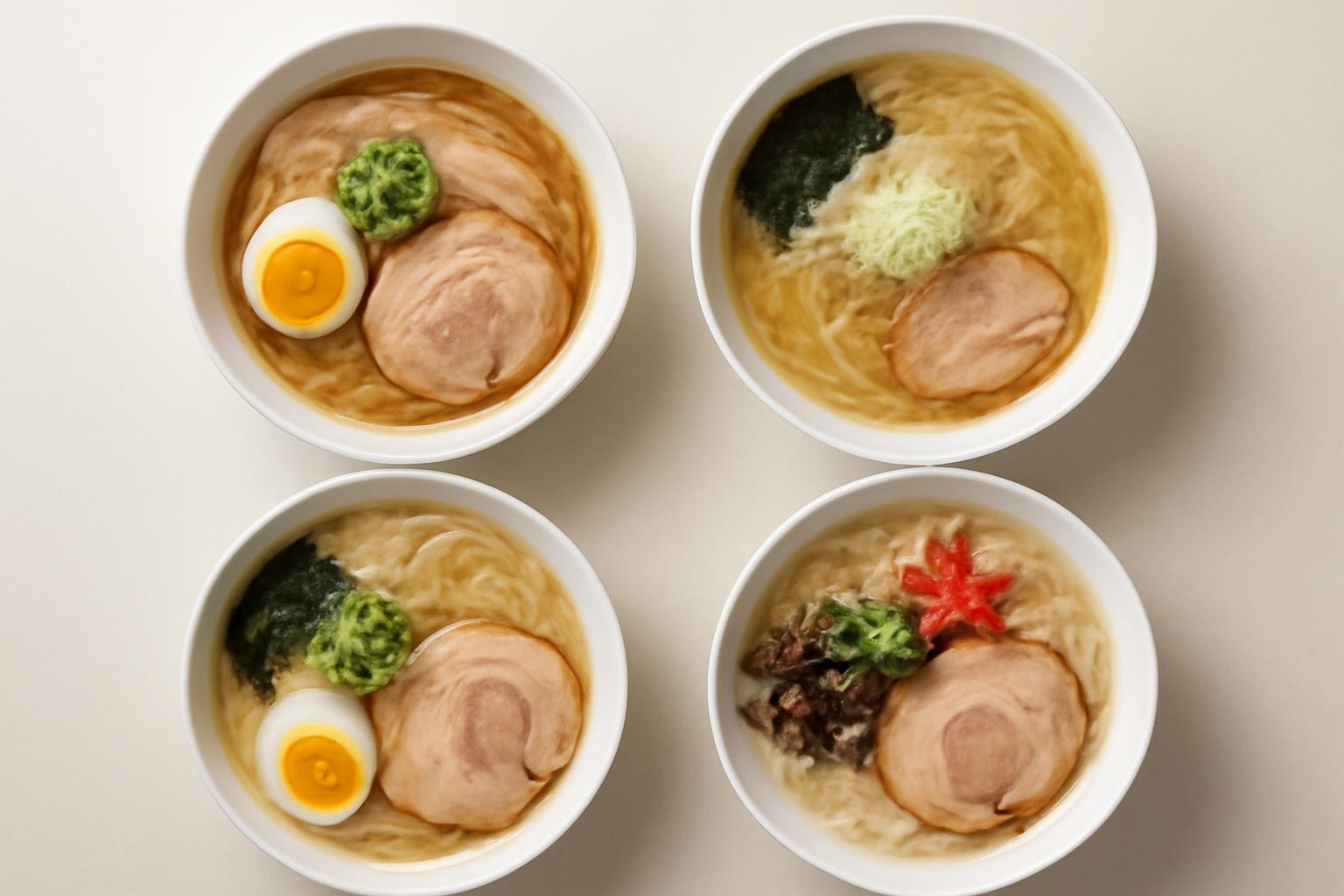
Menya Seishin ranked No. 1 among TRY's new shops and won shoyu and shio. Some counters require TableCheck; others use timed tickets or queues.
Overview
The strongest picks for the best ramen in Tokyo right now are Ginza Hachigo and Kagari in Ginza, Ramen Break Beats for shio, Tanaka Shoten for Hakata-style tonkotsu, and the freshly announced TRY Award winner Menya Seishin in Higashi-Nakano. Which one belongs on your itinerary depends on the style you want and, just as much, on how each shop handles entry: reservation, ticket, or queue.
One thing to know before you trust any list, including this one: most “best ramen” rankings are personal. Namajapan, one of the most detailed enthusiast sources, states plainly that its picks are “not THE BEST RAMEN SHOPS IN JAPAN, but simply my personal favorites.” Other lists cover all of Japan, or only Shibuya, or were written years ago. This guide scopes to Tokyo as of mid-2026, combines editorial favorites with award results published on July 29, 2026, and adds the layer most lists skip: exactly how to get a seat, what a bowl costs, and which practical details you should verify before crossing the city.
The Best Ramen Shops in Tokyo Right Now
The shortlist below draws from the Michelin Guide’s Tokyo ramen coverage, two detailed enthusiast blogs, and the current TRY Ramen Award results, so each pick has a named source behind it rather than a vague reputation.
Ginza Hachigo (Ginza). The shop iamafoodblog places among its top 10 bowls in Tokyo builds a clear, consommé-like broth using French cooking technique, which is why the bowl tastes closer to a refined soup course than a heavy ramen. It runs on a paid TableCheck reservation system, covered in detail below, and seatings are timed, so treat it as a booked appointment rather than a drop-in meal.
Kagari (Ginza). Kagari specializes in toripaitan, which iamafoodblog describes as “a riff off of the standard pork tonkotsu” made with chicken instead of pork. The result is a creamy but lighter bowl. Expect a queue at the Ginza location.
Ramen Break Beats. Namajapan calls this “the best shio ramen in Japan” and recommends the shio as your first order. The same source notes that where you could once just show up, “these days you need a reservation from TableCheck.”
Tanaka Shoten. For pork-bone broth, Namajapan writes that “it is not a stretch to say that Tanaka Shoten is the gold standard for Hakata Nagahama style tonkotsu ramen.” This is the enthusiast alternative to the famous tonkotsu chains.
IRUCA Tokyo. The Michelin Guide’s Tokyo ramen roundup says IRUCA “has long been recognized as one of Tokyo’s best ramen shops,” with a central location that makes the trip easy to slot into a sightseeing day.
Konjiki Hototogisu. A frequent name on best-of lists, though sources in this article’s research set disagree on its current Michelin status (a star versus Bib Gourmand recognition), so check the current guide before treating any award claim as fact.
Menya Seishin (Higashi-Nakano). The overall No. 1 new shop in the 26th TRY Ramen Award (2025-2026), which also won both the shoyu and shio categories, per the results Kodansha BECK published on July 29, 2026.
One caveat keeps this list honest: shops evolve. Tsuta, famous as the first ramen shop to receive a Michelin star according to Namajapan, later expanded into a global chain and lost that star, though Notorious Foodie adds “don’t let that deter you from going. It’s still great ramen.” Any ranking, this one included, is a snapshot.
Which Shop to Pick for Each Ramen Style
If you only have two or three ramen meals in Tokyo, choose by style first, then match the shop and its access method. The Michelin Guide frames the city’s range as running “from classical shoyu bowls and shio based broths to modern interpretations,” and the table below turns that range into a decision you can act on.
| Style | Shop to try | What defines the bowl | How to get in |
|---|---|---|---|
| Shio (salt) | Ramen Break Beats | Namajapan’s pick for the best shio in Japan; order the shio on a first visit | TableCheck reservation, per Namajapan |
| Shoyu (soy sauce) | Menya Seishin, Higashi-Nakano | 26th TRY new-shop overall No. 1; won the shoyu and shio categories | Walk-in; about 1 minute from Ochiai Station (Tozai Line), per the TRY announcement |
| Tonkotsu (pork bone) | Tanaka Shoten | Namajapan’s “gold standard” for Hakata Nagahama style | Walk-in; confirm current hours before going |
| Toripaitan (chicken paitan) | Kagari, Ginza | Creamy chicken broth, a lighter riff on tonkotsu per iamafoodblog | Queue at the Ginza shop |
| Miso | Michelin-recognized miso specialist at Tokyo Ramen Street | Selected two consecutive years by the Michelin Guide Tokyo, per the official Ramen Street guide | Walk in at Tokyo Station |
| Tsukemen (dipping noodles) | Ramen Kanekatsu, Saitama City | Won the TRY clear-soup tsukemen category five straight years and entered the award’s hall of fame | Outside Tokyo; treat it as a side trip |
| Niboshi (dried sardine) | No named champion in this guide’s sources | Intense, savory fish-forward broth | Search the TRY portal by the niboshi category |
For first-timers, the practical difference is weight and salt profile. Shio and shoyu are clear, lighter broths where the seasoning base leads. Tonkotsu and toripaitan are opaque, rich broths made by boiling bones. Tsukemen separates thick noodles from a concentrated dipping soup, so it eats more like a noodle dish than a soup. If you are unsure, start with a shoyu or shio bowl, since that is the classical Tokyo style the Michelin Guide leads with, and save the rich bowls for a second meal.
Reservations, Queues, and Ticket Systems
Top Tokyo ramen shops use three different access models, and knowing which one applies decides whether you eat in ten minutes or stand in line for two hours. The three models are online reservations, timed ticket handouts, and plain first-come queues.
Reservations are the most reliable and the most rule-bound. For Ginza Hachigo, iamafoodblog documents the fine print: bookings run through TableCheck on a rolling system that “opens for the following week every Saturday at 9am,” and the reservation costs ¥500. That fee “doesn’t go towards your meal, it’s just to secure the seat,” so budget it as a separate cost. The same source notes seatings are timed at around 30 minutes, which is normal for a ramen counter. On the upside, the Michelin Guide notes that reservation-only shops ensure “there’s no waiting,” which is worth a lot on a packed itinerary. Namajapan reports Break Beats has moved to the same TableCheck model.
Ticket-handout shops distribute timed entry tickets instead of taking bookings. At the shop iamafoodblog describes, “tickets for lunch are handed out at 9:30 am and dinner tickets are handed out at 5:30 pm,” and “people line up well beforehand.” Translate that into planning terms: arrive before the handout time, collect a ticket, then come back for your slot rather than standing in place for hours.
Pure queue shops carry one real risk that first-time visitors rarely price in: the soup can run out. Many small shops cook a fixed batch and close when it is gone. As iamafoodblog puts it, “the worst is when you wait forever and then they come out to tell you they’ve ran out.” The fix is simple and worth repeating: go early, ideally at open for lunch, and never make a queue-only shop the last meal your day depends on.
Ordering Mechanics and Counter Etiquette
Most ramen shops in Tokyo skip table service entirely: you buy a meal ticket from a machine near the door, hand it to the staff, and eat at the counter. The machine can look intimidating with 20 unlabeled buttons, but the flow is short.
- Bring cash in yen. Many ticket machines do not take cards, so do not count on paying by phone or credit card.
- Buy your ticket at the machine, either before or after joining the line depending on the shop’s posted custom. Watch what locals do.
- Hand the ticket to the staff and take your seat when directed.
- Eat, enjoy, and leave promptly. Counters turn over fast, and lingering holds up the queue outside.
One useful convention shared widely among ramen fans: the top-left button on the machine is usually the shop’s signature bowl, the one it is most proud of. Treat that as a helpful default rather than a guaranteed rule, since layouts vary.
Etiquette in the queue matters more than you might expect. iamafoodblog attributes some of the negative online reviews at Kagari in Ginza to visitors unfamiliar with Japanese queuing culture rather than to the food. Hold your place quietly, keep the group together, and have your order decided before you sit. That context is also worth remembering when you read low ratings on an otherwise celebrated shop.
Line-Skipping Branches and Workarounds
If a famous shop’s queue does not fit your schedule, a branch location often trades a small compromise for a much shorter wait. This is a deliberate trade-off, not a downgrade to avoid.
The clearest example in the source set is Jazzy Beats, which iamafoodblog describes as serving a slightly simplified version of Ramen Break Beats’ shio and shoyu bowls without requiring a reservation. You give up a little refinement and gain a seat the same day, which is often the right call on a short trip. The same source points to Tomita Menban near Tokyo Station, a branch that serves the famous Tomita’s pre-remodel recipe, useful both as a line-skip and as a taste of a bowl the main shop no longer makes. Kagari also has a branch presence beyond its Ginza flagship, per iamafoodblog, which can shorten the wait for its toripaitan.
The decision rule: if the specific flagship bowl is the point of your trip, book or queue for the original. If the style and the shop’s technique are what you want, a branch gets you 90 percent of the experience with a fraction of the waiting.
Michelin Recognition and Ramen Awards, Explained
Michelin recognition comes in three tiers, and knowing the difference stops you from overweighting a listing. A star is the top tier. Bib Gourmand recognizes quality at moderate prices. A plain guide listing means the inspectors consider the shop worth a visit without either award. All three appear across Tokyo’s ramen scene: Namajapan notes that “Tsuta gained fame and notoriety when they were the first ramen shop in Japan to receive a Michelin star,” and the official Tokyo Ramen Street guide highlights tenants “listed in the Michelin guide,” including a miso specialist “selected for two consecutive years by Michelin Guide Tokyo.”
Two honest cautions apply. First, statuses change. Notorious Foodie reports that Tsuta expanded into a global chain, with sites in Singapore, Hong Kong, Taiwan, and the US, and has since lost its star. Second, sources conflict. Within this article’s research set, claims about Konjiki Hototogisu range from a full star to Bib Gourmand status, and nothing in the available evidence settles which is current. Rather than assert a stale award, check the Michelin Guide’s current Tokyo listings before you build a day around a “starred” bowl.
The practical takeaway: use Michelin recognition as a shortlist filter, not a ranking. A guide listing tells you the floor is high. It does not tell you the shop suits your style preference or your schedule, which is why the style table and access section above do more itinerary work than any award badge.
The Latest TRY Ramen Award Winners
The TRY Ramen Award, published annually by Kodansha and described by its publisher as the longest-running award in the ramen industry, released its 26th (2025-2026) results on its official website on July 29, 2026. No major English-language ramen list has incorporated these yet, which makes the winners a genuinely current signal.
In the new-shop division, which the announcement describes as an unusually close, high-level contest, Menya Seishin in Higashi-Nakano (Nakano-ku) took the overall No. 1 spot and also won both the shoyu and shio categories. Per the announcement, it is about a one-minute walk from Exit 2b of Ochiai Station on the Tozai Line. The overall No. 3 new shop, Ramen 3000, sits in Komagome (Toshima-ku), about four minutes on foot from JR Komagome Station, and won across four categories. In the established-shop division, Ramen Kanekatsu in Saitama City won the TRY Grand Prize after five consecutive wins in the clear-soup tsukemen category and entered the award’s hall of fame.
For planning, the more durable tool is the award’s portal, Tokyo Ramen of the Year, a multilingual site (expanded into English and Simplified Chinese in February 2026, per Kodansha BECK) where you can search 25 years of winners by ramen type, soup richness, noodle thickness, and prefecture.
Are Ichiran and Ippudo Worth It?
The short answer: Ichiran and Ippudo are good, convenient bowls, but if you have limited meals in Tokyo, the specialist shops in this guide deliver more for the same slot. The evidence genuinely runs both ways, so it is worth seeing both sides before you decide.
The tourist consensus is enthusiastic. On Tripadvisor’s Shibuya ramen rankings, one reviewer writes that “Ichiran Ramen offers the best ramen in the world,” and another notes of Ippudo that “although this is a worldwide chain the ramen at Ippudo is very good.” These are not empty ratings: both chains produce consistent tonkotsu, run long hours, and are easy to find without planning. Ichiran’s individual counter booths also suit solo diners and anyone nervous about ordering in Japanese.
The enthusiast view is blunt in the other direction. Namajapan does not actually tell readers to skip Ichiran or Ippudo, and choosing Tanaka Shoten over the chains is this guide’s own inference from its praise: the blog makes an emphatic case for the shop, calling it the gold standard for Hakata Nagahama tonkotsu. The argument is not that the chains are bad, but that a specialist making one style at one location, judged against the best in the country, is a different class of bowl.
A simple decision rule resolves this. If your priority is convenience, late hours, or a low-pressure first ramen experience, Ichiran or Ippudo is a perfectly good use of a meal, and no one should talk you out of it. If your priority is eating the best version of tonkotsu Tokyo offers, spend that meal at Tanaka Shoten and let the chains be your fallback when plans change. On a trip with four or more ramen meals, do both and compare.
Short on Time? Tokyo Ramen Street at Tokyo Station
If your schedule gives you one shot at ramen near a Shinkansen departure, Tokyo Ramen Street inside Tokyo Station is the consensus answer across this article’s sources. iamafoodblog states it directly: “If you’re on a time crunch, most people are when visiting because there are just so many things to eat and do, visit Tokyo Ramen Street.”
The official guide describes the concept as bringing together “so many different types of ramen that you could wander it for a week and never run out of options,” with “Tokyo’s best restaurants and famous regional stores” collected at Tokyo Station. The lineup includes Michelin-recognized tenants, among them a miso specialist selected two consecutive years by the Michelin Guide Tokyo, and the street has added gluten-free and vegan dishes in response to what the guide calls the diversification of food needs.
Two caveats keep this recommendation reliable. The lineup rotates: iamafoodblog warns “they do switch up the shops sometimes though, so if you’re set on something, make sure to double check,” and the official guide itself notes that information is subject to change without notice. So confirm the current tenant list before promising yourself a specific bowl. Plan for a queue at the most famous tenants at peak lunch hours, and build a 30 to 45 minute buffer before any train you cannot miss.
Ramen Neighborhoods and Planning a Crawl
Tokyo’s best ramen clusters by area, and the Michelin Guide makes this explicit: “each of the ramen districts of Tokyo offers a distinct flavor of the city.” No source in this article’s research set publishes an authoritative ranking of those districts, so treat what follows as a sourced starting map rather than a definitive list.
Three clusters cover most of this guide’s picks. Ginza holds Ginza Hachigo and Kagari within a short walk of each other, which makes it the easiest area to pair a reserved seating with a queue backup. Tokyo Station is the efficiency play, with Ramen Street’s rotating lineup plus the Tomita Menban branch nearby. The current award map points north and west of the center: the 26th TRY new-shop winner Menya Seishin sits in Higashi-Nakano near Ochiai Station, and the No. 3 new shop, Ramen 3000, is in Komagome on the Yamanote Line, per the July 2026 announcement. Namajapan adds a further off-trail pointer: “you should go to Higashi-Jujo in the North of Tokyo,” where Mizoguchiya “serves one of the most outrageously flavorful bowls in Tokyo.”
For a crawl, keep it to two shops in one area rather than three across the city. Ramen queues are unpredictable, and a second cross-town train ride after a sell-out is the fastest way to lose an afternoon. To find additional shops near wherever you are staying, the TRY portal lets you filter 25 years of award winners by area and style, which is more current than any static neighborhood list.
Prices and Practical Details Before You Go
Expect to pay between roughly ¥1,000 and a bit over ¥2,000 for a top-tier bowl, which makes ramen one of the best value meals in Tokyo at any level. The sourced anchors: a Tripadvisor reviewer in Shibuya reports “for 1000 Yen, I got fried chicken, ramen and rice and I was full” at the value end. Notorious Foodie prices a favorite Tokyo bowl at “around ¥2,000 (~$15 USD).” And iamafoodblog describes Jazzy Beats as part of “a new wave of ramen, one where customers don’t shy away from a bowl costing upwards of ¥2000 for the premiums.” Add the ¥500 non-refundable reservation fee where TableCheck applies, and carry cash for ticket machines.
Beyond price, three practical details deserve a check before you travel across town:
- Address and hours. Even reputable guides conflict. Within this article’s source set, published details for Ginza Hachigo, including its address and hours, do not agree with each other, and none of the sources date their logistics. Confirm on the shop’s official channels or its TableCheck page the same week you go.
- Sell-out risk. Shops that cook a fixed soup batch close when it runs out, sometimes hours before posted closing. Earlier is always safer.
- Seating time. Timed seatings of around 30 minutes are documented at reservation shops like Ginza Hachigo per iamafoodblog, so do not plan a lingering meal.
The habit that saves the most wasted movement is simple: verify one shop the day before, have a second option in the same neighborhood, and never let your only meal plan depend on a queue-only shop late in the day.
Vegan, Vegetarian, Halal, and Gluten-Free Ramen
You can eat well in Tokyo with dietary restrictions, but the honest picture is that specialist options are far fewer than mainstream shops, so they need to be planned rather than stumbled into.
The most reliable documented option is at Tokyo Ramen Street, where the official guide states: “We have also introduced gluten-free and vegan dishes in response to the diversification of food in recent years.” That makes Tokyo Station a dependable anchor for mixed groups where one person needs a vegan or gluten-free bowl and everyone else wants a classic one. Shibuya adds further evidence of choice: Tripadvisor’s local ramen listings include a reviewer writing “vegan ramen blew me away” and another comparing halal ramen options across the city, which confirms both categories exist in the area even though no single shop emerges as a consensus pick from the available sources.
Two practical notes. Standard ramen broths are almost always meat or fish based, and standard noodles contain wheat, so “no chashu” does not make a bowl vegetarian or gluten-free. And because dietary menus change faster than regular ones, confirm the current menu on the shop’s official page before making it the plan for the day.