
The Best Parks in Tokyo: Which Ones to Visit and How to Choose
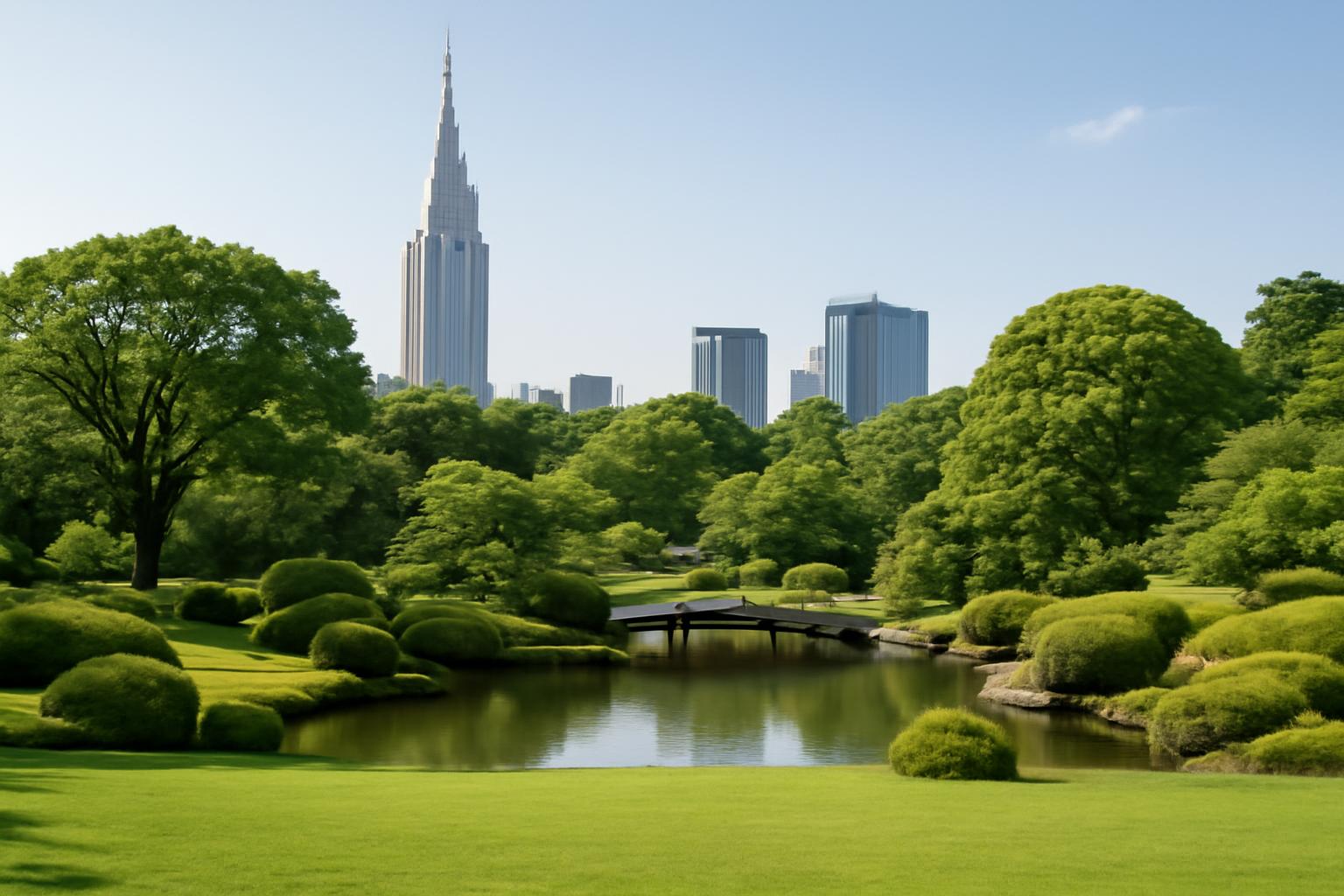
Shinjuku Gyoen is the consensus first pick at 500 yen, ten minutes from Shinjuku Station. The shortlist also sorts options by season, mood and area.
Overview
The best parks in Tokyo are Shinjuku Gyoen National Garden, Ueno Park, Yoyogi Park, Hamarikyu Gardens, Rikugien, Koishikawa Korakuen, and the Imperial Palace East Gardens. If you only have time for one, choose Shinjuku Gyoen: it tops both TripAdvisor’s Tokyo parks ranking and the BBC’s expert garden guide, costs 500 yen, and sits a ten-minute walk from Shinjuku Station.
That shortlist is remarkably consistent across sources, from japan-guide’s park directory to the official GO TOKYO tourism site. What those sources rarely do is help you choose between the parks, so this guide adds the decision layer: what each park is best for, what it costs, which station serves it, which season suits it, and whether you need a reservation. The BBC’s Zen monk guide describes these green spaces as rare quiet amid the rush of the city, and that is exactly the role they play in a well-paced itinerary.
Parks vs. Japanese Gardens: Two Different Experiences
Tokyo’s green spaces split into two categories, and knowing the difference explains almost everything else in this guide, including why some charge admission and some don’t. Free, Western-style public parks like Ueno and Yoyogi are big, open, and social: lawns, joggers, buskers, picnic groups. Traditional Japanese landscape gardens like Rikugien and Hamarikyu are smaller, quieter, carefully composed, and usually charge a small entry fee.
The distinction comes from history. According to GO TOKYO, many of Tokyo’s traditional gardens were once the relaxation spaces of former daimyo warlords and nobility. The BBC explains the mechanism: with the shogunate based in Edo (old Tokyo), feudal lords kept residences in the city and built landscaped estates around them. Several of those estates survive as today’s paid gardens. The Western-style park is a newer import; GO TOKYO identifies Hibiya Park as Japan’s first Western-style modern park.
The practical takeaway: go to a park when you want space, energy, and a free picnic spot. Go to a garden when you want composed scenery and calm, and budget a few hundred yen for entry.
The Best Parks and Gardens in Tokyo, Park by Park
Every ranked source in this guide’s research converges on the same top tier, so the profiles below are not one editor’s taste. They combine TripAdvisor’s ranking, japan-guide’s directory, planmyjapan’s list, and the BBC’s expert picks. Each profile leads with a “best for” label so you can match a park to your trip rather than reading seven interchangeable blurbs. Fees and access details appear again in one comparison table further down.
Shinjuku Gyoen National Garden: Best Overall and for Cherry Blossoms
Shinjuku Gyoen is the strongest single pick in Tokyo: the number-one park on TripAdvisor’s ranking and the BBC’s choice for cherry blossoms. The reason is scale and variety. According to the BBC, the garden holds roughly 900 cherry trees across about 70 varieties, which stretches the blossom display well beyond the short mainstream peak. The BBC also notes that unlike most hanami spots, Shinjuku Gyoen is alcohol-free, which keeps the atmosphere calm and family friendly even at the height of the season.
Logistics are simple. Japan-guide lists admission at 500 yen and puts the garden a ten-minute walk east of Shinjuku Station; planmyjapan confirms the 500-yen fee as of October 2025. That makes it an easy add-on to any day that already touches Shinjuku, one of the areas you will almost certainly pass through.
The history is worth one paragraph because several travel sites get it wrong. Per the Ministry of the Environment’s official history, the site began as an Edo-era residence granted by Ieyasu Tokugawa, became an agricultural experimental station in 1872, and was completed as an Imperial garden in May 1906. It opened to the public as Shinjuku Gyoen National Garden on May 21, 1949, a date confirmed by both the Environment Ministry and a Ministry of Land, Infrastructure and Transport document. Some guides state 1946; the official record says 1949.
Ueno Park and Yoyogi Park: Best Free Parks for Atmosphere
If you want the free, lively, people-filled version of Tokyo park life, these are the two to know. Ueno Park, second on TripAdvisor’s ranking, sits beside Ueno Station and is what japan-guide calls Tokyo’s most notorious cherry blossom party spot. Outside blossom season it still earns a visit because major cultural institutions, including the Tokyo National Museum, sit within and around the park grounds.
Yoyogi Park is the locals’ counterpart. Japan-guide places it a five-minute walk west of Harajuku Station with free admission, which makes it the natural pairing with a Harajuku and Shibuya day. GO TOKYO names Ueno, Inokashira, and Yoyogi as famous cherry-blossom viewing hotspots in spring and prime locations for people watching. Yoyogi has a second act too: japan-guide highlights its autumn leaves, especially the golden ginkgo trees, so it rewards a visit in two separate seasons. Neither park costs anything, so both fit easily into an itinerary with no planning overhead.
Hamarikyu Gardens: Best Bayside Garden
Hamarikyu is the pick when you want a traditional garden with a setting no other Tokyo garden can match: it sits directly on Tokyo Bay, and its seawater pond is tidal, rising and falling with the bay itself. Both the BBC and planmyjapan rank it among Tokyo’s best, and the contrast of Edo-era garden landscaping against the glass towers of the surrounding business district is the closest thing Tokyo has to a single view that shows both centuries at once.
Access is straightforward: japan-guide lists admission at 300 yen and a ten-minute walk from Shinbashi Station. If your itinerary includes Asakusa, note that a waterbus route runs between Asakusa and the Hamarikyu area, which lets you replace a train leg with a river cruise down the Sumida. Ticket terms and whether garden entry is bundled with the fare change over time, so verify current inclusions with the boat operator before you plan around it. Either way, Hamarikyu slots naturally into a Ginza, Shinbashi, or bay-area day.
Rikugien and Koishikawa Korakuen: Best Classic Edo-Period Gardens
If you want the full traditional landscape-garden experience, choose between these two. Rikugien is the showpiece. Japan-guide calls it one of Tokyo’s most beautiful classic Japanese landscape gardens, dating from the Edo Period and reproducing landscape scenes from famous poems in miniature. The BBC names it the single best place in Tokyo for autumn colours, so if your trip lands in late autumn, Rikugien should move to the top of your list.
Koishikawa Korakuen is the practical alternative. It appears across the same consensus sources as one of Tokyo’s great Edo-period gardens, and visitor reports describe it as compact enough to explore fully in one unhurried visit, with noticeably lighter crowds than the famous free parks even in blossom season. Treat those crowd impressions as anecdotal rather than guaranteed, but the pattern matches the broader rule in this guide: small paid gardens filter out the casual foot traffic that fills Ueno and Yoyogi. Pick Rikugien for peak scenery, Korakuen for a calmer, more manageable version of the same tradition. Both charge a small admission fee; check current prices on the Tokyo Metropolitan Park Association’s official pages.
Imperial Palace East Gardens: The Free Garden Most Visitors Miss
Yes, you can visit part of the Imperial Palace grounds, and it costs nothing. Many visitors assume the entire palace complex is closed to the public and skip it. The BBC’s garden guide quotes Zen monk Shunmyo Masuno directly on this point: “Many people assume you can’t go inside the Imperial Palace. But the East Gardens are open to the public.”
That misconception works in your favor. The East Gardens sit in the exact center of Tokyo, close to Tokyo Station, which means you can add a quiet garden stop to a day you were already spending in the Marunouchi area with no extra transit at all. For itinerary planning, treat the East Gardens as the free, central, low-effort garden: not a destination you build a day around, but the easiest green detour in the city. Note that the gardens observe regular closing days, so check the Imperial Household Agency’s official page before you go.
Fees, Stations, and Best Seasons at a Glance
The table below consolidates the practical details from the park profiles into one view, drawing on japan-guide’s station and fee data, planmyjapan’s fee figure, and GO TOKYO’s free-versus-paid framing. One caution before you use it: the fee figures are documented as of late 2025 (planmyjapan dates the Shinjuku Gyoen fee to October 2025), and prices can change. Verify current admission on each garden’s official page before your trip.
| Park or garden | Admission | Access | Best season | Standout feature |
|---|---|---|---|---|
| Shinjuku Gyoen National Garden | 500 yen (japan-guide) | 10 min walk east of Shinjuku Station | Spring (extended blossom season) | ~900 cherry trees, ~70 varieties; alcohol-free calm (BBC) |
| Ueno Park | Free | Beside Ueno Station | Spring hanami | Tokyo’s most famous blossom-party park (japan-guide) |
| Yoyogi Park | Free (japan-guide) | 5 min walk west of Harajuku Station | Spring and autumn | Hanami in spring, golden ginkgo in autumn |
| Hamarikyu Gardens | 300 yen (japan-guide) | 10 min walk from Shinbashi Station | Year-round | Tidal seawater pond on Tokyo Bay |
| Rikugien | Small fee; verify on official page | Not covered in our sources; check the official page | Autumn | BBC’s top pick for autumn colours |
| Koishikawa Korakuen | Small fee; verify on official page | Not covered in our sources; check the official page | Spring and autumn | Compact Edo-period garden, lighter crowds reported |
| Imperial Palace East Gardens | Free | Central Tokyo, near Tokyo Station | Year-round | Public section of the Imperial Palace grounds (BBC) |
Where a cell says to verify, that reflects a real gap in the underlying sources rather than an oversight; this guide does not invent access details it cannot support. Used together with the profiles above, the table should let you assign specific parks to specific days in a few minutes.
When to Visit: A Seasonal Guide
Spring and autumn are the two headline windows for Tokyo’s parks, and they call for different park choices, which is why each gets its own section below. The most useful single scheduling fact is this: because the BBC documents roughly 70 cherry varieties at Shinjuku Gyoen, that one garden blooms on a longer arc than the short mainstream peak, which gives you a margin of error if your travel dates miss the forecast by a week. Outside those two windows, Tokyo’s gardens still carry seasonal blooms through the year, though the specific flower calendars vary by garden and are best confirmed on each garden’s official page. The bayside setting at Hamarikyu and the central East Gardens hold up in any season.
Cherry Blossom Season: Where to Go for Hanami
Choose your hanami park by the atmosphere you want, because the calm option and the party option are genuinely different experiences. For calm, family-friendly blossoms, go to Shinjuku Gyoen: the BBC names it the best garden for cherry blossoms and notes that its alcohol-free rule keeps the mood settled even at peak bloom. For the social, festival version of hanami, GO TOKYO points to Ueno Park, Yoyogi Park, and Inokashira Park as the famous viewing hotspots where locals gather.
Your shortlist, in brief:
- Shinjuku Gyoen: calm, alcohol-free, longest bloom window, 500 yen, weekend reservations apply in season (see the reservations section below)
- Ueno Park: the classic blossom party, free, and per japan-guide the most notorious party spot in Tokyo
- Yoyogi Park: free, social, five minutes from Harajuku Station
- Inokashira Park: GO TOKYO’s third hanami hotspot, good if you are heading toward Kichijoji
Set expectations for Ueno honestly: its fame means prime picnic ground is claimed early on peak days, so either arrive early with your group or choose a quieter park and keep Ueno as a walk-through. That single decision prevents the most common hanami disappointment.
Autumn Colours: Maples and Ginkgo
For autumn foliage, Rikugien is the clear first choice: the BBC frames it as the one place that makes Tokyo fall in love with autumn, and its Edo-period landscape design gives the maples a composed setting that open lawns cannot match. If you are in Tokyo in late autumn, build a half day around it.
The free alternative is Yoyogi Park. Japan-guide highlights Yoyogi specifically for its autumn leaves, especially the golden ginkgo trees. Put that beside GO TOKYO’s listing of Yoyogi as a spring hanami hotspot and you get a synthesis no single source states outright: Yoyogi is a genuine two-season park, which makes it the best default choice if you visit Tokyo in both windows or cannot predict your dates. Single-season gardens like Rikugien reward precise timing; Yoyogi forgives it.
One planning note: several Tokyo gardens run dated seasonal evening events, such as autumn illuminations, but programs and dates change year to year and are not documented in this guide’s sources. If an evening garden visit appeals to you, check the individual garden’s official page for the current season’s schedule before committing an evening to it.
Best Parks for Families and Kids
For a dedicated family park day, Showa Kinen Park on the western outskirts of Tokyo is the strongest pick. GO TOKYO describes it as spacious with age-appropriate playgrounds and a mini-train to carry you around the grounds, and Wikipedia’s list of Tokyo parks and gardens records it as Tokyo’s largest park. The mini-train matters more than it sounds: it solves the tired-legs problem that ends most park days with small children.
Two more options cover different ages and locations:
- Futakotamagawa Park (Setagaya): GO TOKYO notes a toddler-suitable play space plus a large grassy area for ball games and picnics, making it the best pick for the under-five crowd.
- Shinjuku Gyoen: no playground, but the parenting blog Little Tokyoite reports that the open space is so generous a play area was not missed, and the alcohol-free rule keeps the environment calm. It is the family choice when you want to stay central.
One honest limitation: stroller access, wheelchair routes, and restroom locations are not well documented in the sources behind this guide. Before committing to a park with a stroller or mobility needs, check the park’s official page rather than assuming smooth paths throughout.
Quieter Green Spaces Away from the Crowds
If crowds are your main concern, the single best answer is the Institute for Nature Study near Meguro. Japan-guide calls this nature reserve one of central Tokyo’s best kept secrets: 200,000 square meters of forests and marshlands that, in its words, make you believe you are in a national park in Hokkaido. It charges a small admission fee (verify the current price on its official page), and that fee is precisely what keeps it quiet. For a repeat visitor who has already done the famous parks, this is the most distinctive green space on this page.
Todoroki Valley in Setagaya is the second option. GO TOKYO recommends it as a peaceful place to wander among trees and reconnect with nature, a wooded ravine walk inside a residential ward, which is not an experience the big central parks offer at all.
Beyond named picks, there is a reliable pattern worth knowing: the small paid gardens run quieter than the big free parks. Little Tokyoite describes one such garden as a sanctuary within Tokyo, not as busy as Yoyogi and Shinjuku’s parks. Treat that as a visitor impression rather than a guarantee, but the logic holds: an entry fee, even a small one, thins the crowd. The Imperial Palace East Gardens serve the same purpose in the city center, since most visitors do not realize they are open.
Park Rules and Etiquette Visitors Should Know
Two rules catch visitors off guard, and both are easy to handle once you know them. First, trash: GO TOKYO warns that many parks and gardens lack garbage cans, so you are expected to carry your trash home with you. Bring a small bag for wrappers and bottles, especially for a picnic, and this stops being a problem.
Second, alcohol. Drinking in public is permitted in Tokyo, per GO TOKYO, and the BBC notes that drinking is usually part of hanami culture. But specific parks opt out: both sources single out Shinjuku Gyoen as alcohol-free. This is not just a rule to avoid breaking, it is a decision input. The BBC credits the alcohol ban with keeping Shinjuku Gyoen’s atmosphere calm and family friendly, which is exactly why it feels so different from Ueno or Yoyogi at blossom peak. If you want the toast-under-the-trees experience, choose Ueno or Yoyogi. If you want quiet blossoms with children or without the party, the ban is the reason Shinjuku Gyoen delivers that.
Beyond those two, the general standard in paid gardens is simple: stay on paths, keep voices low, and treat the space as scenery to move through slowly rather than a lawn to occupy.
Reservations, Hours, and Fees: What to Check Before You Go
One reservation rule matters for 2026 planning, and most guides miss it entirely. According to the Ministry of the Environment’s official notice, Shinjuku Gyoen plans to continue its advance reservation system on weekends and national holidays during the peak cherry blossom period from March to April, to mitigate overcrowding and prevent accidents. The ministry states the 2026 reservation period is scheduled to begin on 2 March 2026, with specific dates and booking details announced once finalized. Some blogs still describe this as a temporary COVID-era measure; the official notice makes clear it is an ongoing crowd-management policy. If your trip includes a spring weekend at Shinjuku Gyoen, check the official notice page and book before you go.
Two other checks belong on your pre-trip list. First, opening hours and weekly closing days: the sources behind this guide do not document them for the featured gardens, and paid gardens commonly observe fixed closing days, so confirm hours on each garden’s official operator page rather than assuming daily opening. The Imperial Palace East Gardens in particular follow the Imperial Household Agency’s schedule. Second, fees: the figures in this guide’s comparison table trace to sources dated as of October 2025, per planmyjapan, so treat them as reliable ballpark numbers and verify current prices when you confirm hours. Five minutes of checking covers all three items.
Which Park Should You Choose?
If you only have time for one green space in Tokyo, choose Shinjuku Gyoen. It is the consensus number one across TripAdvisor and the BBC, it combines lawns, ponds, and formal garden landscapes in one 500-yen ticket, and it sits ten minutes from a station you will pass through anyway.
For everyone else, pick by where your itinerary already puts you, since the parks map cleanly onto Tokyo’s main visitor areas:
- Shinjuku day: Shinjuku Gyoen, ten minutes east of the station per japan-guide
- Harajuku or Shibuya day: Yoyogi Park, five minutes west of Harajuku Station, with the forested Meiji Jingu shrine adjacent
- Ueno or Asakusa day: Ueno Park, beside Ueno Station
- Central Tokyo or Marunouchi day: the Imperial Palace East Gardens, free and open to the public
- Ginza or bay-area day: Hamarikyu, ten minutes from Shinbashi Station
- A dedicated garden outing: Rikugien in autumn, Koishikawa Korakuen otherwise
One last piece of advice on how to visit, not just where. The BBC’s guide, built around Zen monk Shunmyo Masuno’s perspective, treats these gardens as places where people pause amid the rush. Take that literally: give a garden an unhurried hour rather than a fifteen-minute photo stop, and it will justify its place in your itinerary.
Frequently Asked Questions
Is Meiji Jingu shrine part of Yoyogi Park?
The better-supported answer is no: the forested Meiji Jingu shrine precinct sits next to Yoyogi Park but is a separate, distinct area. Sources conflict on this, and some travel lists fold the shrine into the park, which is why the confusion is common. GO TOKYO describes the forested Meiji Jingu shrine as its own green space, with thousands of trees donated from across Japan when the shrine was established, and Wikipedia’s list of Tokyo parks and gardens treats the two as separate entries. Practically, the distinction barely costs you anything: both sit by Harajuku Station, so you can walk the shrine forest and the park in a single visit.