
Where to Change When the N’EX Terminates at Tokyo
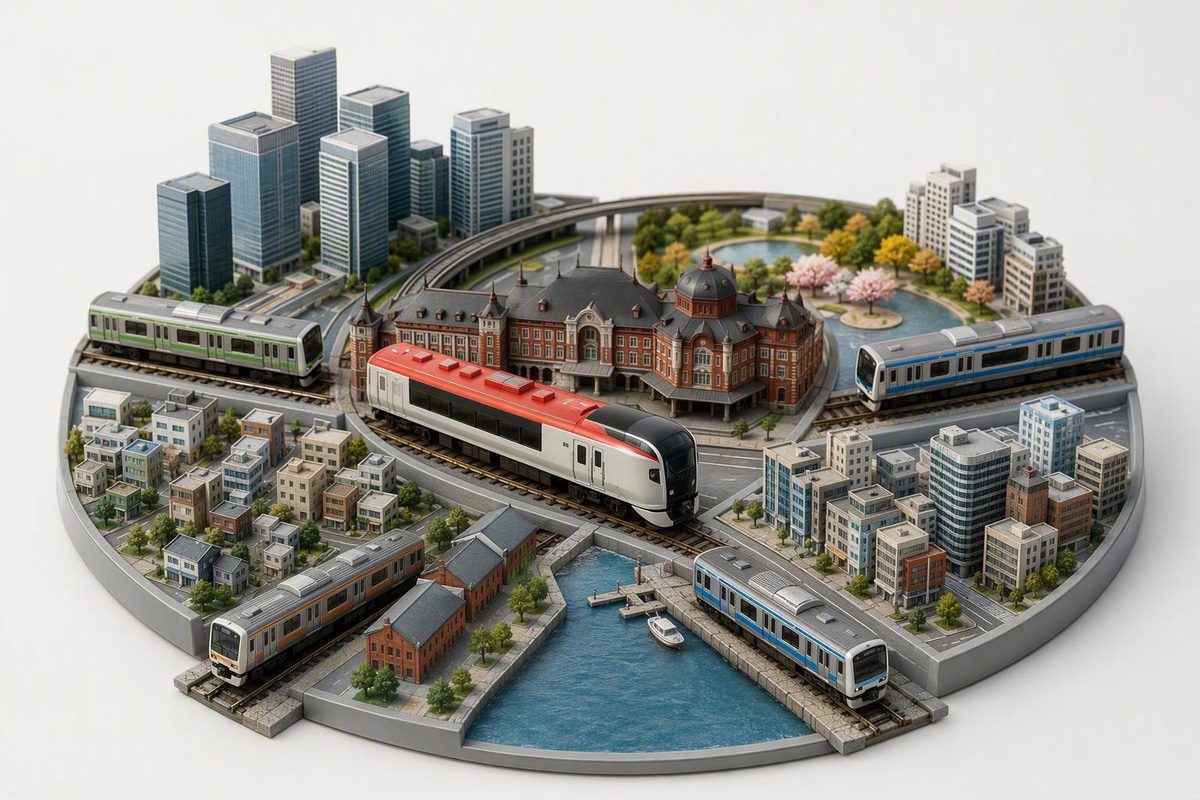
N’EX ends at Tokyo; use Tokaido/Ueno-Tokyo, Yamanote or Keihin-Tohoku for Shinagawa, Chuo Rapid for Shinjuku, or Tokaido for Yokohama.
On Saturday, November 7, 2026, affected Narita Express (N’EX) trains will operate between Narita Airport and Tokyo Station but will not continue to or start from Shinjuku or Ofuna. If you are traveling to Shinagawa, Shinjuku, Yokohama, or Ofuna, change at Tokyo Station. In the airport-bound direction, reach Tokyo first and board your reserved N’EX there. The planned Tokyo-only operating pattern is also shown in the November 7 service notice carried by KKday; check JR East’s special timetable and station displays before traveling.
Related: Tokyo Train Planned Suspension: Typhoon Guide.
The short answer: N’EX reaches Tokyo, but not stations beyond it
The Narita Express is not completely canceled on November 7. It continues between Narita Airport and Tokyo Station, but affected sections between Tokyo and Shinjuku or Ofuna are suspended.
Use Tokyo Station as the decision point:
- Narita Airport to Tokyo: remain on the N’EX until Tokyo Station.
- Narita Airport to Shinagawa, Shinjuku, Yokohama, or Ofuna: leave the N’EX at Tokyo and transfer.
- Those destinations to Narita Airport: travel to Tokyo Station first, then board the affected airport-bound N’EX there.
The underlying construction closes the Yokosuka and Sobu Rapid lines between Tokyo and Shinagawa from the first through the last train. That physical closure prevents through operation across the Tokyo–Shinagawa segment.
JR East will suspend Narita Express service between Tokyo and Shinjuku Narita Express - Wikipedia.
For Shinagawa, JR East identifies the Tokaido/Ueno-Tokyo, Yamanote, and Keihin-Tohoku lines as alternatives across the closed segment. Shinjuku and Yokohama require destination-specific choices from Tokyo Station rather than a single designated replacement service.
When the changes begin and end
The main line closure lasts all day on November 7, while the related Narita Express changes begin on Friday evening and continue into Sunday morning. JR East gives an approximate alteration window of 19:40 at Tokyo Station on Friday, November 6, until 08:00 on Sunday, November 8, but individual trains do not all follow the same pattern.
- Friday, November 6: JR East lists Tokyo-bound Narita Express Nos. 46, 48, 50, 52, and 54 as terminating at Tokyo instead of continuing to Shinjuku or Ofuna.
- Saturday, November 7: Yokosuka and Sobu Rapid services are suspended between Tokyo and Shinagawa from the first through the last train. Listed N’EX services operate between Tokyo and Narita Airport, with their sections beyond Tokyo suspended.
- Sunday, November 8: Narita Express No. 1 starts at Tokyo. Nos. 3, 5, and 7 start at Shinjuku and make an additional stop at Shinagawa.
These dates, times, and train numbers come from JR East’s official tunnel-work notice and train-specific tables. Some services on Friday evening and Sunday morning run as scheduled, so do not treat the approximate alteration window as a blanket cancellation.
Older search results can easily create confusion because a separate closure took place in September. Jorudan’s ended service advisory concerns the September 5 suspension, not the November 7 timetable.
A Travel and Tour World report also describes the September interruption. It may explain the general operating pattern, but it should not be used to choose a November train.
Destination table: which station and line to use
For an affected trip from Narita Airport, remain on the N’EX until Tokyo Station and make the onward decision there.
| Destination | N’EX ends at | Onward route from Tokyo | What to verify |
|---|---|---|---|
| Tokyo | Tokyo Station | No transfer | Leave the train at Tokyo |
| Shinagawa | Tokyo Station | Tokaido/Ueno-Tokyo, Yamanote, or Keihin-Tohoku toward Shinagawa | Next operating departure and platform |
| Shinjuku | Tokyo Station | Chuo Rapid toward Shinjuku | Ordinary route, not a guaranteed replacement service |
| Yokohama | Tokyo Station | Tokaido Line toward Shinagawa, Yokohama, and Odawara | Affected-day departure and stopping pattern |
| Ofuna | Tokyo Station | Confirm the best operating connection with JR East | No complete affected-day itinerary is established here |
For Shinagawa, the three listed alternatives cross the closed segment without using the suspended Yokosuka or Sobu Rapid service. Choose between them using the next suitable departure shown at Tokyo Station.
For Shinjuku, the Chuo Rapid Line toward Shinjuku is the relevant ordinary JR route from Tokyo. It is timetable context, not a specially guaranteed replacement service, so confirm its operation before heading to the platform.
For Yokohama, check the Tokaido Line toward Shinagawa, Yokohama, and Odawara. This is the strongest supported ordinary JR option from Tokyo, but the normal timetable is not proof of the exact construction-day service.
For Ofuna, the direct N’EX section is suspended. Although ordinary JR routes may be available, the construction notice does not establish one complete affected-day itinerary from Tokyo to Ofuna. Check the departure display or ask JR staff which connection is operating.
No cited official source gives confirmed November 7 platform numbers for the shortened N’EX or the onward trains. Do not infer a platform from a normal timetable, an old itinerary, or a promotional photograph.
How to make the Tokyo Station transfer without relying on a guessed platform
Plan this transfer around the line and direction, not a platform number that may change.
Before leaving the Narita Express area, identify the next service you need:
- Shinagawa: Tokaido/Ueno-Tokyo, Yamanote, or Keihin-Tohoku toward Shinagawa.
- Shinjuku: Chuo Rapid toward Shinjuku, subject to an affected-day check.
- Yokohama: Tokaido Line toward Shinagawa, Yokohama, and Odawara, also subject to an affected-day check.
- Ofuna: ask JR East which operating connection to use.
Ignore unrelated exits and lines until you reach the appropriate concourse.
Before going to a platform, read the electronic departure display. Match four details: line, direction or destination, departure time, and stopping pattern. If the information differs from your planned route, ask JR staff before proceeding farther through the station.
Allow additional transfer time, especially with luggage. The available notice does not establish a walking time, step-free path, elevator route, or luggage-specific platform arrangement, so avoid building an itinerary around a tight connection.
If you need help, show staff your destination together with your N’EX reservation. That is more useful than asking only where the Narita Express platform is, because your actual task is to find the correct revised connection.
What changes for airport-bound passengers
On November 7, affected airport-bound N’EX trains start at Tokyo rather than Shinjuku or Ofuna.
From Shinagawa, check the Yamanote, Keihin-Tohoku, or Tokaido/Ueno-Tokyo service toward Tokyo. Once there, find your reserved N’EX on the station departure display and follow the platform assignment shown that day.
From Shinjuku, the inbound Chuo Rapid Line toward Tokyo is the relevant ordinary route context. It is not a construction-day guarantee, so verify the departure before entering the platform area.
From Yokohama, check the Tokaido Line toward Tokyo. Do not plan to use the Yokosuka Line through Shinagawa because its Tokyo–Shinagawa section is closed.
JR East lists Narita Express No. 1 as leaving Tokyo at 06:18 on November 7. This illustrates why passengers must consult the special table: a normal itinerary may show a boarding station beyond Tokyo even though that train’s construction-day operating section begins at Tokyo.
An existing through ticket or reservation should not be assumed to cover every revised combination automatically. Handling may depend on the ticket, pass, seller, and whether the reserved journey must be changed. Ask a JR Ticket Office or station employee about your booking before the train departs.
Turnbacks, substitute transport, and the final day-of check
The closure divides the usual through corridor into two turnback operations:
- Sobu Rapid trains approaching from the Chiba side terminate at Tokyo and return toward Chiba.
- Yokosuka Line trains approaching from the south terminate at Shinagawa and return toward Yokohama.
There is no through Yokosuka or Sobu Rapid service across Tokyo–Shinagawa during the all-day closure. JR East also says it will not arrange substitute transportation through other railway companies, so do not assume that a JR ticket will be accepted by a private operator as replacement transport.
Before leaving for the station:
- Find your exact N’EX number in JR East’s special construction table.
- Check the JR East Kanto live train-status page.
- Confirm the train, destination, stopping pattern, and platform on the station display.
- Allow additional time for the transfer.
- Ask JR staff for help if your reservation still names a station beyond Tokyo.
The live-status page is a day-of operational check, not evidence of the planned November construction schedule. It does not update automatically, and JR East warns that actual operations may differ from the information displayed.
What should I do with a Narita Express reserved-seat ticket for a station beyond Tokyo?
Take the ticket or booking record to a JR Ticket Office or show it to station staff before the reserved train departs. Ask whether the reservation should be changed to start or end at Tokyo and whether your onward ordinary JR journey is covered.
JR East’s ticket exchange policy says a reserved-seat ticket can generally be changed only before the originally reserved train departs. Exceptions and different conditions may apply to passes, discounted products, and tickets purchased through another seller.
Do not rely on a general refund rule to determine the treatment of this planned closure. Confirm the handling of your specific ticket directly with JR East or, where applicable, the seller that issued it.
How does the Tokyo–Shinagawa closure affect Green Car passengers?
JR East’s construction-day instruction applies to passengers holding an applicable ordinary Green Car ticket for travel across the closed Tokyo–Shinagawa section. Those passengers may transfer to a Green Car on a parallel Tokaido or Ueno-Tokyo service.
If the applicable ordinary Green Car ticket is loaded onto Suica, JR East instructs passengers to touch the onboard Green Ticket Information Reader before leaving the first train and again after boarding the replacement Green Car. Fare treatment can depend on whether the ticket covers only the closed section or a longer journey; the details are set out in the official construction notice.
This procedure should not be assumed to govern an N’EX Green-class reserved-seat ticket. If your Narita Express reservation is in Green class and names Shinjuku, Yokohama, or Ofuna, ask JR East how that reservation should be changed.
The practical route remains destination-based: change at Tokyo for affected journeys, then follow Tokaido/Ueno-Tokyo, Yamanote, or Keihin-Tohoku signs for Shinagawa; Chuo Rapid signs for Shinjuku; or Tokaido Line signs for Yokohama.