
How to Choose the Best Restaurants in Tokyo for Your Trip
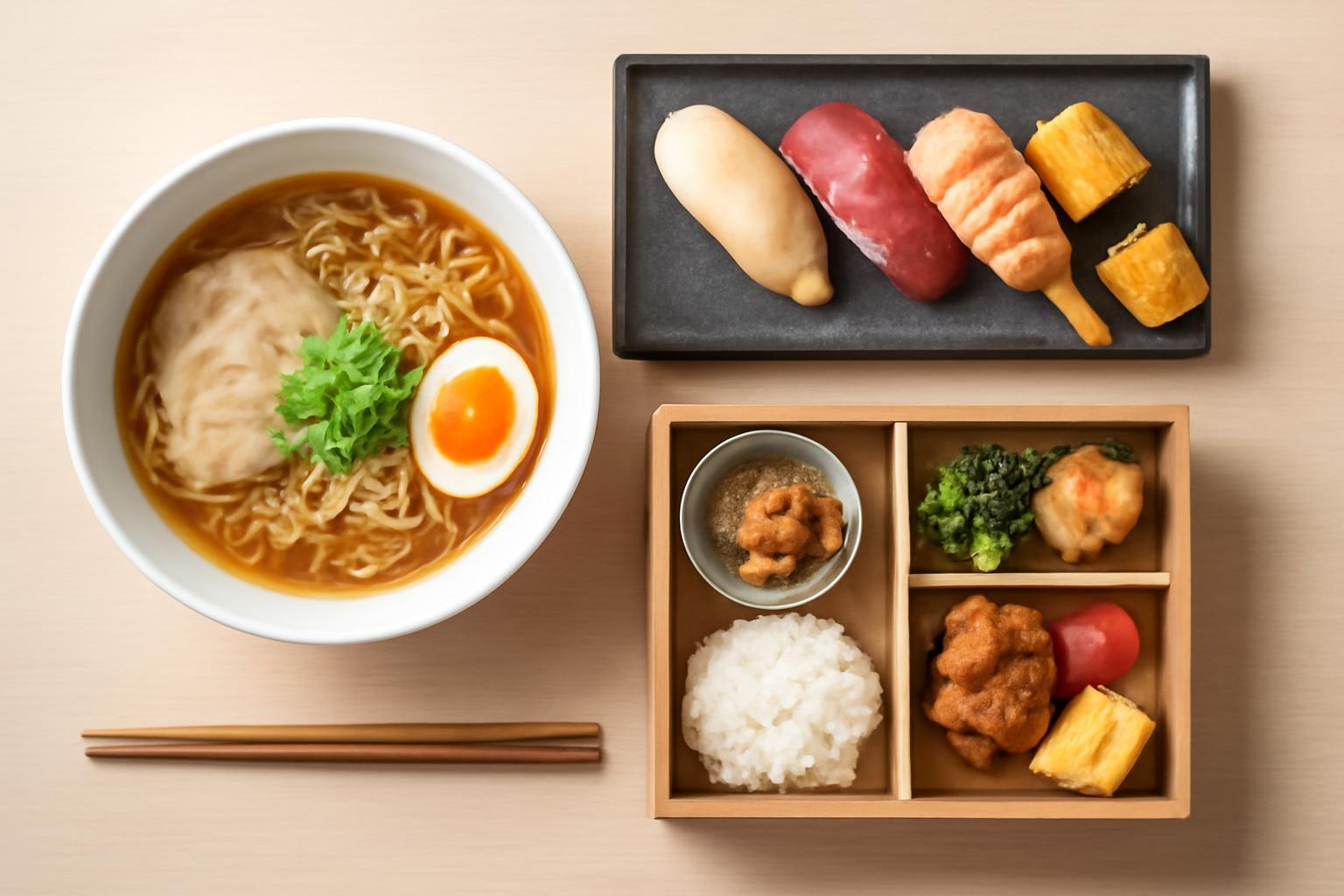
For a first visit, balance sushi, ramen, specialist cooking and an easy neighborhood meal, adding omakase or fine dining if budget allows.
Overview
The best restaurants in Tokyo are the ones that match your dining goal, budget, location, and tolerance for reservations or queues. For a first visit, build a varied shortlist around sushi, ramen, specialist Japanese cooking, one easy neighborhood meal, and, if your budget allows, a carefully chosen omakase or fine-dining experience.
No single ranking can settle where to eat in Tokyo. The available recommendations combine personal favorites, chef suggestions, editorial shortlists, and directories with different selection standards. One local guide prioritizes Sushi Kadowaki in Ginza, while chef Junghyun Park says a reservation at Sugita can shape his entire Tokyo trip. Those are useful endorsements, but they reflect particular tastes and access rather than a measured citywide consensus (Condé Nast Traveler; Condé Nast Traveler).
A practical Tokyo restaurant guide therefore needs variety. Affordable noodles, standing sushi, conveyor-belt sushi, izakaya meals, specialist counters, vegan restaurants, and destination dining can all be “best” for different moments. Geography matters just as much. A good restaurant near the day’s activities may be a better trip choice than a famous restaurant that requires an unnecessary journey across the city.
Treat the recommendations below as a planning shortlist, not a live operating database. Current hours, menus, prices, reservation routes, payment policies, and visitor-access rules have not been verified consistently across every venue. Confirm those details through the restaurant’s official channels shortly before visiting.
How to read this shortlist
This shortlist prioritizes four things: identifiable support from the supplied sources, a distinct dining experience, practical usefulness during a trip, and an honest account of what still needs verification. It does not assign numerical scores because the source set offers no shared scoring method for food, value, service, atmosphere, or booking difficulty.
That distinction matters when comparing recommendations within the same category. One traveler’s ideal ramen stop may be a famous shop worth waiting for, while another traveler may prefer a nearby ticket-machine shop that preserves several hours of sightseeing. A small omakase counter may be the defining meal of one trip and an expensive, restrictive mismatch for another. Even credible restaurant writers can disagree because taste, budget, prior experience, and queue tolerance influence their conclusions.
The sources themselves demonstrate this subjectivity. One writer presents 12 personal favorites after three Tokyo visits, including meals with waits ranging from just under an hour to about three hours. Another organizes 42 places into food categories, while Michelin’s Tokyo directory offers hundreds of listings and filters rather than a single winner (Deeva and Food; MS Travel Solo; Michelin Guide). These are different editorial tools, not directly comparable rankings.
Use the guide by asking what role each meal should play. You might want affordable sushi, a first bowl of ramen, a reservable celebration, a flexible dinner near your hotel, or a restaurant that can address a dietary requirement. Compare candidates within that use case before comparing them across the whole city.
Geographic coverage is another limitation. The supporting material repeatedly returns to areas such as Ginza, Shinjuku, Asakusa, and other central districts. That makes the guide useful for many first-time itineraries, but it does not establish that central Tokyo contains all of the city’s strongest restaurants. It would be misleading to add unsupported outer-neighborhood picks merely to create the appearance of complete coverage.
The best Tokyo restaurant choices by dining goal
The matrix below compares supported restaurants and restaurant formats, not a numbered ranking. Relative budget labels describe the general posture presented by the sources. They are not current price guarantees. Where the evidence does not establish a booking method or live operating status, the matrix tells you to confirm rather than guessing.
| Best use case | Restaurant or format | Cuisine or experience | Relative budget posture | Area | Access posture | Why it belongs on the shortlist |
|---|---|---|---|---|---|---|
| First sushi meal with local-name recognition | Sushi Kadowaki | Sushi | Verify current menu and price | Ginza | Check the official reservation route | A Tokyo local specifically recommends it when discussing where first-time visitors should eat sushi (Condé Nast Traveler). |
| Flexible, lower-commitment sushi | Standing sushi or kaiten sushi | Individual sushi pieces or revolving-bar service | Lower-cost format | Available in multiple areas; choose near your itinerary | Often treated as a flexible format, but verify the individual shop | A local guide identifies standing and kaiten sushi among Tokyo’s more affordable sushi choices (Condé Nast Traveler). |
| A meal that justifies planning the day around it | Sugita | Small-counter sushi | Destination dining; confirm current price | Confirm before planning | Reservation is central to the experience | Chef Junghyun Park describes Sugita as a favorite and says securing a reservation influences how he plans Tokyo trips (Condé Nast Traveler). |
| First-time ramen experience | A specialist ramen shop | Ramen | Usually positioned as an accessible meal, but prices vary | Choose by station or neighborhood | Queue, walk-in, or ticket machine, depending on the shop | A local guide identifies ramen as a first-visit priority, while another source explains the common ticket-machine ordering flow (Condé Nast Traveler; Food Nerd Rockstar). |
| Very inexpensive noodle meal | A supported casual udon pick | Udon | One source reports bowls around C$5 | Confirm the specific branch and location | Queue or walk-in conditions may change | The cited personal shortlist presents affordable udon as a useful cheap meal, but its reported price should not be treated as a current citywide standard (Deeva and Food). |
| Vegan multi-course Japanese cooking | Itosho | Shojin-style vegetable courses | Higher commitment than a casual café; verify price | Azabu-Juban | Reserve ahead; seating is described as very limited | A 2026 vegetarian guide describes a multi-course progression including tempura, simmered vegetables, pickles, and vegetarian sushi (Tokyo Tourism). |
| Vegan meal for a mixed-preference itinerary | AIN SOPH. | Fully vegan Western-style dishes and desserts | A 2026 report gives approximately ¥1,500 to ¥5,000 per person | Ginza, Shinjuku, or Ikebukuro | Dinner and weekend reservations are recommended; walk-ins depend on availability | It offers a fully vegan menu with identified gluten-free options, although wheat and non-wheat food share a kitchen (Food Compass Japan). |
| Flexible evening near sightseeing | Izakaya or food hall near the day’s station | Shared dishes or multi-vendor casual dining | Flexible rather than fixed | Select by the station already in your plan | Usually a backup category until a specific venue is checked | One practical guide groups ramen shops, izakaya, standing sushi, and food halls among approachable choices and recommends station-centered meal planning (Food Nerd Rockstar). |
The strongest meal plan usually draws from several rows rather than repeatedly choosing the most prestigious category. A first-time visitor could combine flexible sushi, specialist ramen, an izakaya close to an evening activity, and one reservation-led meal. A traveler with vegan requirements might make AIN SOPH. or Itosho an anchor and then verify suitable options around the remaining neighborhoods.
Restaurant names deserve more verification than format-level choices. A standing-sushi meal can remain flexible because you can compare nearby shops on the day. A small counter or multi-course restaurant has greater consequences if its hours, reservation policy, or menu no longer match the source. Give the latter more research time.
Essential Japanese foods and specialist formats
For a first visit, sushi and ramen are sensible starting points because the supplied local guide explicitly treats both as Tokyo priorities. The more useful decision, however, is not simply whether to eat them. It is which version fits your budget, comfort level, and schedule (Condé Nast Traveler).
Standing sushi reduces ceremony and can suit a quick meal. Kaiten sushi uses a revolving-bar format and can be easier for travelers who want to choose pieces incrementally. Omakase is the opposite kind of commitment: the chef determines the progression, and the meal may require an advance reservation. These formats should not be treated as rungs on a universal quality ladder. They solve different dining problems.
Ramen also ranges from a convenient neighborhood bowl to a destination queue. At some shops, you select and pay for the meal at a vending machine before sitting down, then hand the ticket to staff. A practical Tokyo food guide describes this as a simple sequence: buy the ticket, pass it over, and receive the bowl (Food Nerd Rockstar). The machine may initially feel confusing when labels are in Japanese, so look for photos, language controls, or staff guidance before pressing a button.
Tokyo’s specialist restaurants are another important format to understand. A chef-led guide notes that many restaurants focus on one dish, ingredient, or cooking technique, sometimes with little else on the menu (Condé Nast Traveler). A narrow selection can therefore indicate deliberate specialization rather than a lack of ambition.
This pattern helps explain why a useful shortlist extends beyond sushi and ramen. Udon, tempura, tonkatsu, yakitori, and other focused formats can each occupy a complete meal slot. The evidence pack does not provide enough current, restaurant-level information to name a defensible winner in every category, so select those meals through the same method: decide on the dish, identify shops near the day’s station, and compare current menus and access conditions.
For your first trip, aim for contrast. Pair a quick, specialist meal with a slower reservation. Pair a counter experience with a casual izakaya or food hall. This gives you a broader understanding of where to eat in Tokyo without requiring every meal to become a high-stakes destination.
International cuisines interpreted through Tokyo
A Tokyo shortlist does not need to contain only Japanese cuisines. Chef recommendations in the evidence specifically highlight the way Tokyo restaurants interpret French, Italian, Spanish, and Chinese cooking. Another chef-led source praises the use of Japanese ingredients in Italian dishes (Condé Nast Traveler; Condé Nast Traveler).
The reason to include one such meal is not that international food is automatically better in Tokyo. It is that a chef may use local produce, seafood, seasonality, or technique to create an interpretation that belongs to the city’s dining culture. That makes an Italian, French, or Chinese restaurant a legitimate alternative to another premium sushi booking.
The supplied evidence does not establish a broad, current ranking of Tokyo’s international restaurants, so this category is better approached as an optional branch. If you have already scheduled several traditional Japanese formats, compare one chef-led international restaurant against your remaining splurge. Verify its current menu, price, dress expectations, and reservation route before committing.
Choosing between affordable meals and memorable splurges
Tokyo supports both low-commitment meals and exceptionally expensive dining, but the evidence does not justify calling the entire city cheap or expensive. Value depends on what you buy, how much time access consumes, and whether the format delivers the experience you actually want.
For lower-cost planning, the most consistently supported categories are casual noodles, standing sushi, ramen shops, izakaya, food halls, small stalls, and prepared bento. One source reports udon at around C$5 a bowl, while another recommends bento as a tasty option that need not be overpriced (Deeva and Food; Going Awesome Places). These examples establish possibilities, not dependable current prices for every shop.
Affordable formats can also carry non-monetary costs. A highly discussed inexpensive restaurant may consume hours in a queue. One personal account reports a wait of about three hours at one destination and waits just under an hour on other visits to another recommended place (Deeva and Food). Because waits change, those figures are better read as evidence of possible disruption than as forecasts.
An attainable upgrade sits between casual food and elite fine dining. This might be a reserved lunch, a specialist counter with a set menu, or a carefully selected restaurant near an area you already plan to visit. The key advantage is control: you can add a distinctive experience without organizing an entire day around a difficult booking.
Destination splurges require a clearer reason. In the most extreme example in the source set, chef Junghyun Park recounts a Tokyo meal with a bill of $2,500 per person and says he did not regret it (Condé Nast Traveler). That anecdote demonstrates how far the premium end can extend, but it does not establish a normal fine-dining price or prove that a similarly expensive meal will be worthwhile to another diner.
Before committing to a splurge, ask what you are paying to experience: a particular chef, rare access, a small counter, a long tasting progression, or a style of cooking unavailable elsewhere in your itinerary. If you cannot name the value, redirect the budget toward several specialist meals.
A balanced budget can be built in three layers:
- Keep several meals flexible through noodles, standing sushi, food halls, bento, or neighborhood izakaya.
- Choose one or two attainable upgrades where a current set menu or lunch offering provides a clear experience.
- Reserve a destination splurge only when the chef, format, and access justify planning around it.
This structure protects the rest of your itinerary. It also leaves room to abandon a famous queue when the time cost becomes greater than the meal’s importance to you.
Use lunch to access higher-end dining for less
Lunch can be a useful route into premium Tokyo dining when the restaurant offers a separate midday menu. The source evidence states that omakase lunch is cheaper than dinner when available (Going Awesome Places). The qualifying phrase matters. Not every restaurant serves lunch, and not every lunch reproduces the dinner experience.
Compare the current lunch and dinner menus rather than looking only at the headline price. Check whether the lunch is a shorter omakase, a different set, or the same style with fewer courses. Also confirm service times, reservation requirements, and whether the menu you found applies to the branch you intend to visit.
Lunch has an itinerary benefit as well as a budget benefit. A midday reservation can anchor a neighborhood day, leaving dinner flexible near your hotel or final activity. Conversely, a long formal lunch may reduce the time available for sightseeing and make a second large meal unnecessary.
Apply the strategy to premium tempura, omakase, or other set-menu dining only when a current lunch offering is visible through an official source. “Lunch can cost less” is a planning lead, not permission to assume a discount.
Plan restaurants by neighborhood, not as isolated destinations
Neighborhood-first planning reduces backtracking. Instead of selecting famous restaurants across unrelated parts of Tokyo and then trying to connect them, choose the area for each day, review your saved restaurant pins near its stations, and assign one priority meal plus at least one nearby alternative.
Chef Junghyun Park describes a similar method: he picks a neighborhood, walks around, and checks the places saved on his map rather than building every hour around a detailed timeline (Condé Nast Traveler). Another food guide advises marking places on a map in advance (Going Awesome Places). Together, these ideas form a practical system: research before the trip, then retain flexibility within a defined area.
Start with the station because Tokyo neighborhoods and their food activity often form around rail access. One guide summarizes the relationship directly: neighborhoods form around stations, and food follows commuters (Food Nerd Rockstar). You do not need expert knowledge of the rail network to use this. Record the nearest station and exit for every important booking, then group meals that belong to the same part of the city.
Asakusa provides a source-supported example of a coherent day: ramen, Kappabashi shopping, and an izakaya or yokocho evening can be combined without treating each meal as a separate cross-city trip (Food Nerd Rockstar). The exact sequence can change, but the principle is stable. Food choices should reinforce the day’s geography.
A simple planning pass looks like this:
- Save candidate restaurants with cuisine, nearest station, and access type.
- Group pins by the neighborhood days already in your itinerary.
- Select one priority restaurant in each area.
- Add a queue-based option and a flexible backup nearby.
- Record the floor, building name, station exit, and final order time after checking official information.
That last step is important because the map pin may not lead to a street-level storefront. A Tokyo food guide warns that restaurants can occupy upper floors of multi-story buildings, requiring visitors to read the exterior directory to identify the correct floor (Going Awesome Places). The same navigation problem can occur with basement venues or entrances that are not visually obvious from the street.
Screenshot the building details or save the Japanese restaurant name before leaving reliable internet access. Arrive early enough to find the entrance without turning a reservation into a stressful station-to-door sprint. The goal is not to catalog every nearby restaurant. It is to create a compact cluster that survives a closure, long queue, or change in appetite.
Reservations, queues, walk-ins, and current-status checks
Access determines whether a restaurant recommendation can become a real meal. Divide your shortlist into reservation priorities, destination queues, conditional walk-ins, and flexible backups. Do not leave every important meal in the same category.
Reserve first when the restaurant is small, serves a structured course, or materially shapes your trip. Sugita is the clearest planning example in the evidence because chef Junghyun Park says obtaining the reservation affects how he organizes his Tokyo visits. The same article describes an eight-seat sushi counter that serves lunch and dinner, illustrating why capacity can be a meaningful constraint even when a restaurant’s full visitor-access rules are not established (Condé Nast Traveler).
Omakase is another book-ahead category. A Tokyo food guide explicitly recommends reserving lunch or dinner omakase in advance (MS Travel Solo). For small vegan or shojin restaurants, advance planning may also matter. The cited Itosho description says the restaurant seats very few people and recommends booking ahead (Tokyo Tourism).
Queue-based destinations require a different calculation. A waiting list with online position tracking can let you explore nearby, but it does not eliminate the time cost. One account recommends joining a list around three hours before the intended meal and notes that the position can be checked by QR code (Deeva and Food). Treat this as an example of a reported system, not a current instruction for every restaurant or visit.
Walk-ins work best when the meal is replaceable. A flexible ramen shop, standing-sushi counter, izakaya, or food hall can function as a backup if you have several candidates in the same station area. “Walk-in” does not mean guaranteed immediate seating. It means you have chosen not to make that specific venue essential to the day.
Before relying on any restaurant, verify the information that can change:
- Current operating status and service days
- Opening hours and final order time
- Current menu and price
- Reservation channel, deposit, and cancellation terms
- Whether walk-ins are accepted
- Branch address, nearest station, and building floor
- Dietary, child, group, accessibility, and dress requirements relevant to your party
The source set does not systematically establish booking windows, cancellation policies, introduction requirements, or overseas reservation access for elite restaurants. Do not assume that a prominent recommendation is directly bookable by an ordinary international visitor. Check the restaurant’s official site or booking partner and determine whether hotel or concierge assistance is actually required.
Also check the date and branch attached to any third-party listing. A 2026 vegan dining guide, for example, warns that hours at Ballon TOKYO have changed several times since 2022 and directs readers to verify the official site (Halal Navi). That is a useful model for all restaurants, not only vegan venues.
Build redundancy into each day. If lunch is the non-negotiable reservation, dinner can remain flexible. If dinner is a queue-based destination, identify a nearby alternative before joining the line. A shortlist becomes practical only when it includes a response to “What will we do if this does not work?”
Choose an access mode that matches your time tolerance
A reservation exchanges flexibility for predictability. A destination queue exchanges time for the possibility of eating at a particular restaurant. A conditional walk-in preserves spontaneity but carries a risk of rejection or delay. A ticket-machine venue can simplify ordering, but it does not guarantee that there will be no line.
Choose based on the consequences of failure. If the meal is a celebration or the main reason for visiting the neighborhood, a confirmed reservation is the stronger fit. If the restaurant is one of several acceptable ramen shops near the day’s activities, a queue or walk-in may be reasonable. If waiting would cause you to miss timed sightseeing or a train, use the backup.
Reported waits show why this distinction matters. One traveler describes waits from just under an hour to about three hours at recommended restaurants (Deeva and Food). These numbers are personal observations, not reliable future wait times. Their planning value is to demonstrate that a celebrated cheap meal can have a high time cost.
Ticket machines offer another access pattern. You generally make the menu decision before sitting, which can speed the transaction but shifts the confusing moment to the entrance. Review the menu before reaching the machine when possible. If you need an ingredient removed, do not assume that buying a standard ticket communicates the request. One source specifically advises diners avoiding pork to ask for the bowl without it at a cited restaurant (Deeva and Food).
Your access mix should reflect your own tolerance. A visitor who enjoys destination queues may schedule one with nearby activities. A visitor who dislikes uncertainty can emphasize reservations and food halls. Neither approach is inherently more authentic. The better choice is the one that protects the rest of the day.
Payment, ordering, seating, and etiquette essentials
Tokyo dining becomes easier when you prepare for several systems rather than assuming every restaurant works the same way. The supported baseline is straightforward: tipping is not required, payment acceptance varies, ticket machines appear at some casual venues, and certain establishments apply minimum-order or seating-charge policies.
Do not add a tip by default. The cited Tokyo food guide states that tipping is not required in Japan (MS Travel Solo). Pay the stated bill unless the restaurant’s own system clearly indicates something else.
Carry more than one payment method. The evidence includes an awkwardly worded but clear recommendation to keep cash available because acceptance and convenience vary between establishments (Going Awesome Places). That does not prove every small restaurant is cash-only. It supports a narrower conclusion: do not rely on a single card, wallet, or cash assumption.
At a ticket-machine restaurant, select the dish and pay before taking your seat, then give the issued ticket to staff. Pause before completing the purchase if you need a modification. Some machines communicate fixed menu combinations more easily than special requests, so confirm whether the restaurant can accommodate the change.
Seating can carry conditions that are unfamiliar to visitors. One source reports venues where each person is expected to order at least one food item and one drink, as well as places that automatically add a seating fee (Going Awesome Places). These are examples, not universal Tokyo rules. Read the menu and booking terms, and ask before sitting if a charge or minimum is important to your decision.
Small counters also change the social rhythm of a meal. Arrive on time for a reservation, keep your party size accurate, and follow the service sequence communicated by staff. If a restaurant serves everyone at a fixed time, lateness can affect more than your own table. A vegetarian dining guide notes that some reserved meals use fixed seating times (Tokyo Tourism).
Before booking, verify practical needs that the source corpus does not document consistently. This includes step-free access, elevator availability, room for mobility devices, child policies, high chairs, group seating, private rooms, and dress expectations. A restaurant being listed for solo dining does not prove that it works for a family, and an upper-floor address does not prove that an accessible elevator is available.
Keep the request specific. Instead of asking whether a restaurant is “accessible,” state the actual need. Instead of asking whether children are “allowed,” include their ages, party size, and whether they will order a full menu. Precise questions give the venue a better chance of giving a useful answer.
Verify dietary suitability at restaurant level
Directory filters are discovery tools, not final verification. Michelin’s Tokyo directory lists 548 restaurants in the captured result, including filters for 315 solo-dining listings, 99 with vegetarian options, 54 with vegan options, 21 with gluten-free options, and 12 with halal options (Michelin Guide). Those counts can help narrow a search, but they do not establish what an individual kitchen can safely serve you today.
Start by distinguishing preference from medical necessity. A dish labeled vegan addresses animal-derived ingredients as defined by that menu, but it does not automatically establish allergen controls. A gluten-free label describes ingredients or preparation only to the extent the restaurant specifies. It does not, by itself, prove that wheat cross-contact is prevented.
AIN SOPH. illustrates the distinction. A May 2026 report describes it as fully vegan and says most dishes at the reviewed location were marked with a gluten-free icon, including rice-flour pancakes. The same report states that wheat and non-wheat products are prepared in a shared kitchen (Food Compass Japan). That may suit someone choosing gluten-free food as a preference, while being insufficient for a diner whose medical requirements prohibit shared-space exposure.
Vegan and halal are also separate questions. A May 2026 guide reviewed AIN SOPH. journey, Ballon TOKYO, Alaska Zwei, and mique as vegan restaurants but reported that none held halal certification from the two directories it checked. It classified them as Muslim-friendly with caveats and identified ingredients such as wine vinegar, sauces, mirin, and cooking sake for further confirmation (Halal Navi). A plant-based menu should therefore never be presented as proof of halal certification.
Vegetarian Japanese food requires similarly precise checking. The cited vegetarian guide warns that fish-derived dashi and shared frying oil can complicate otherwise vegetable-forward dishes. It recommends stronger precautions for medical allergies and points toward dedicated vegan or shojin kitchens when tighter menu control is needed (Tokyo Tourism). Even at a tofu specialist, the source advises confirming whether the simmering liquid uses kombu rather than fish dashi.
For any significant dietary need, verify the exact branch, current menu, ingredients, shared equipment, and cross-contact practices. Contact the restaurant directly when possible and use a clearly written Japanese allergy or dietary card. Name every ingredient that must be avoided rather than relying only on broad labels such as “vegetarian,” “gluten-free,” or “allergy-friendly.”
The safest shortlist is not necessarily the one with the most filter matches. It is the one where each restaurant has answered the question relevant to your actual requirement. Use directories to discover candidates, restaurant menus to narrow them, and direct venue confirmation to make the final decision.