
Choose the Tokyo Base That Fits Your Rhythm
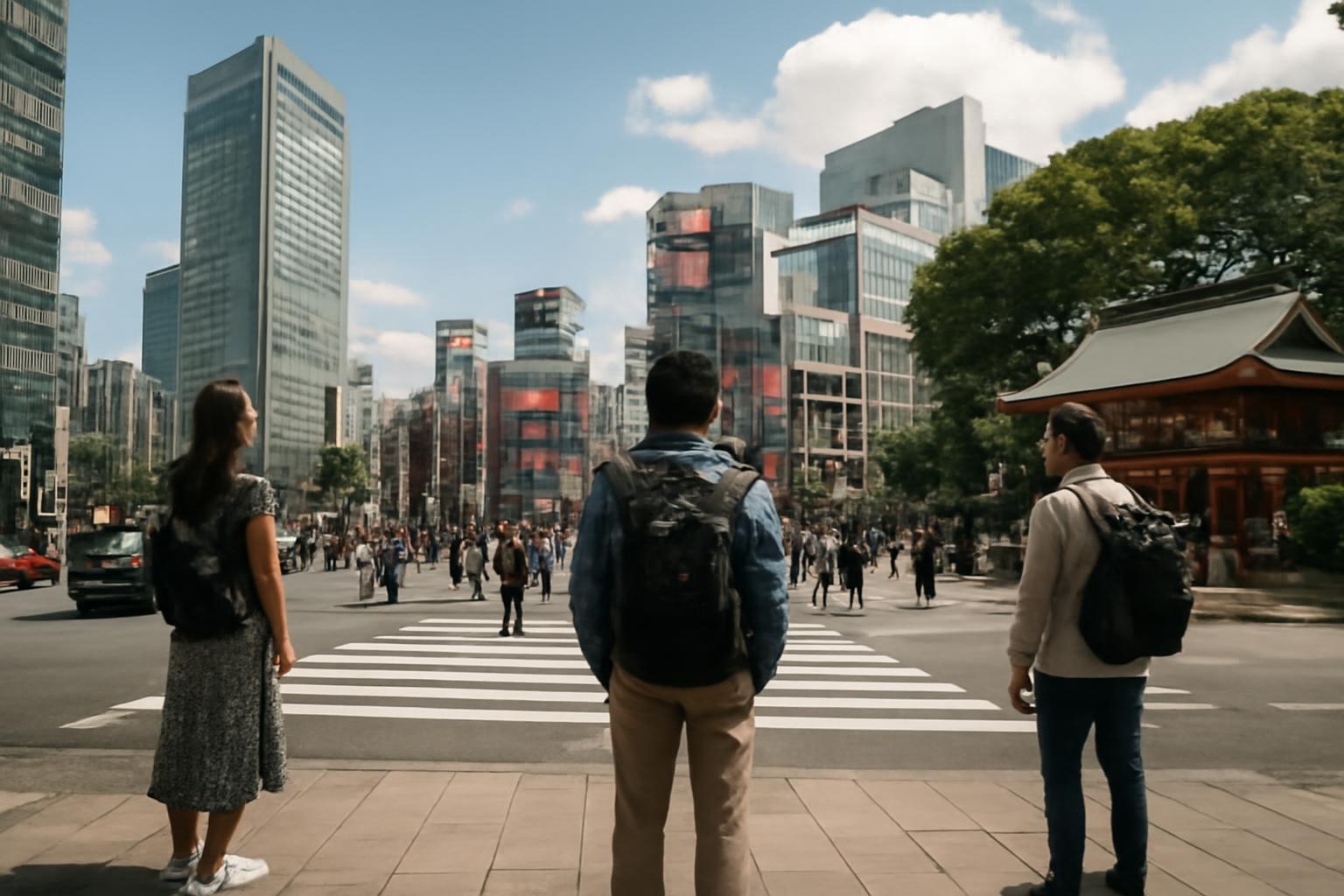
The neighborhood you tolerate before breakfast and after dark will shape the trip more than any brochure description.
Shinjuku is the strongest base if you want the broadest rail reach and do not mind a busier, more layered station district; Shibuya works best if you want a compact, energetic base with easy movement; Ueno is the better fit if you want a calmer edge and straightforward access to parks and museums. The right choice depends less on prestige and more on whether you want your days to start in a dense hub, a compact center, or a quieter northern node.
The short answer
If this is your first Tokyo trip and you want the fewest compromises, Shinjuku is usually the most flexible answer. It gives you a lot of movement options and a strong sense that you are plugged into the city. That can be valuable if you plan to do several different kinds of days and want one place that rarely feels like a dead end.
Shibuya is best when you want your base to feel lively and compact. It is easier to understand at street level than a larger station district, and it suits travelers who want a shorter mental map. If you like stepping out into a place that already feels active, Shibuya is a comfortable choice.
Ueno is different. It is not trying to be the center of everything. Instead, it gives you a calmer start, a little more breathing room, and a clearer relationship to the park-and-museum side of the city. That makes it good for people who want the day to feel steadier.
Shinjuku: best for range
Choose Shinjuku if you want the city to feel open. It is the best of the three when you care most about flexibility, because it supports many kinds of itineraries without making you restart from scratch each time. That is useful for a trip with multiple neighborhoods and not much margin for wasted time.
The tradeoff is that Shinjuku can feel more complicated at first. There is more going on, which means more signs, more exits, and more opportunities to take the wrong turn if you are not paying attention. If you like a place that rewards a little patience with a lot of utility, that is a good trade. If you want simplicity first, it can feel like too much.
Shinjuku also suits travelers who expect to move around at different hours of the day. If you want a base that can handle an early start, a mid-day break, and a late return without changing character, it is the most adaptable of the three.
Shibuya: best for compact energy
Choose Shibuya if you want a base that feels alive without being as sprawling as a larger rail hub. It works well when your trip is built around shorter days, more browsing, and the kind of movement that happens naturally after coffee, lunch, and one or two stops.
Shibuya is also a good fit if you like a neighborhood that is easy to summarize. The base itself does some of the routing work for you because it is already an obvious place to begin and end. That matters on a short trip, where you do not want to spend half your energy figuring out what kind of day you are trying to have.
The main downside is that a compact, lively base can still be tiring if you are sensitive to noise or if you want a more layered local feel. In that case, Shibuya may be a little too present all the time.
Ueno: best for a calmer start
Choose Ueno if you want a base that feels easier to settle into. It is the strongest of the three when you want a quieter relationship to the city and a more straightforward place to begin your day. That makes it good for travelers who like museums, parks, and less friction in the morning.
Ueno also suits travelers who prefer a clearer transition from hotel to sightseeing. You do not have to mentally manage a busy entertainment district before you have even started your day. That can make the whole trip feel more sustainable, especially if you like to end the evening without more stimulus.
If you are the kind of traveler who wants the hotel to be the reset point, not the event, Ueno deserves serious consideration. It may not feel as flashy as Shinjuku or Shibuya, but it is often easier to live with.
How to decide
Use this simple filter:
- Want the most flexibility? Pick Shinjuku.
- Want the most compact energy? Pick Shibuya.
- Want the calmest start? Pick Ueno.
If you are still torn, decide by your first and last hour of the day. The neighborhood you tolerate before breakfast and after dark is the one that will shape the trip more than any brochure description.
The other useful filter is how much station complexity you are willing to accept. If the answer is “not much,” Shibuya or Ueno may feel easier. If the answer is “I want the widest net possible,” Shinjuku wins.
What to do next
After you choose the base, plan each day as a single area instead of a city-wide sweep. Tokyo becomes much easier when you stop crossing it back and forth for small reasons. See how to navigate large Tokyo train stations for the station side, then use how to plan Tokyo days by area to keep the routing compact.