
Keep Each Day in One Part of the City
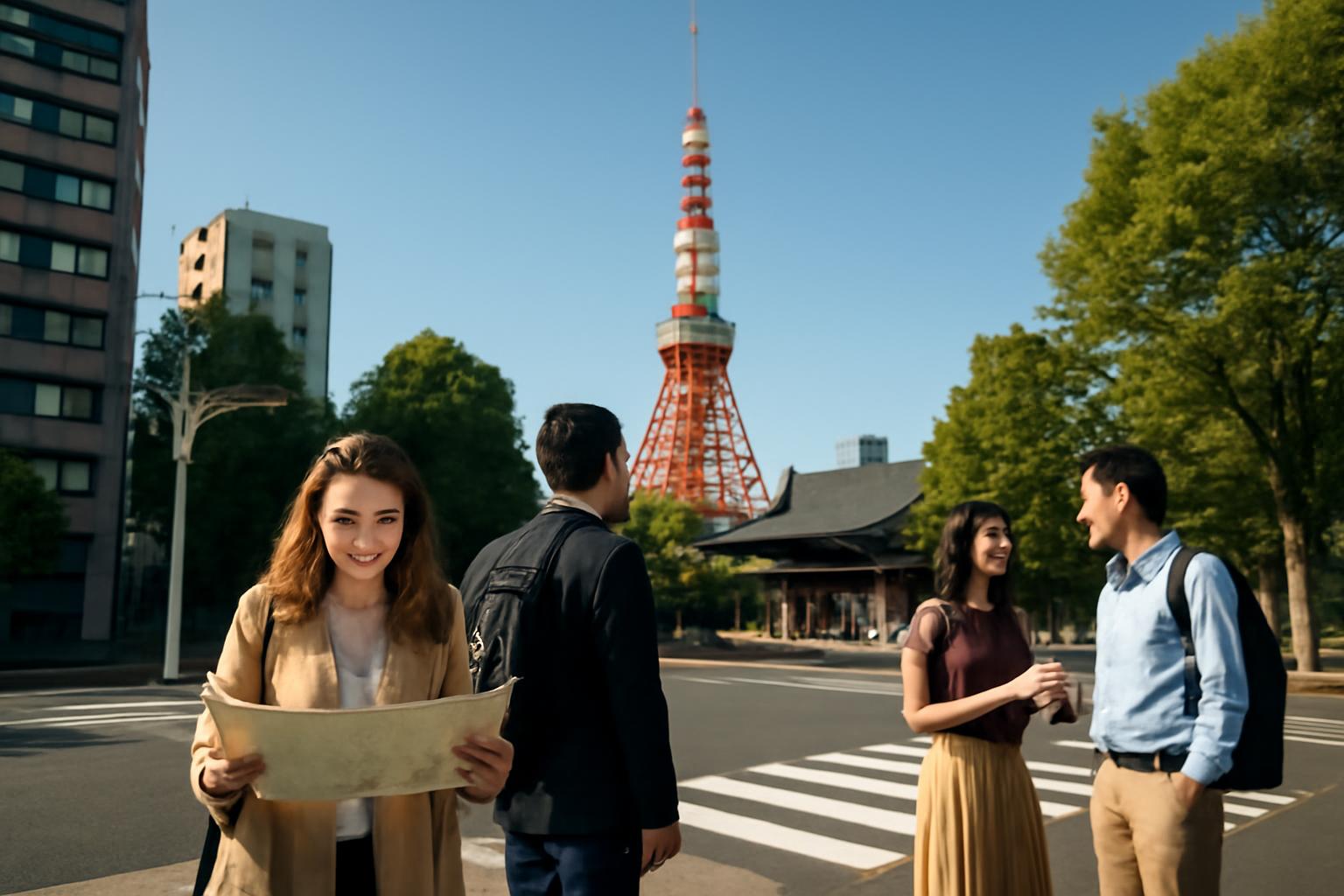
Give each day one area, one purpose and a clean return path, so Tokyo becomes a sequence of manageable choices instead of a puzzle.
The best way to plan Tokyo days is to stop planning them like a scavenger hunt. Pick one area, give it one main purpose, and keep the rest of the day close enough that you are not crossing the city for every small decision. Tokyo gets easier when each day has a clear geography.
Think in clusters
Start by dividing the city into the places you actually want to spend time, not the places that sound familiar in isolation. A good day has one anchor, one backup, and one optional add-on within the same general area. That structure keeps the day coherent even if you change your mind halfway through.
If you are staying in Shinjuku, Shibuya, or Ueno, use the base as the center of a nearby cluster rather than as a launchpad for a city-wide marathon. The more each day stays in one part of the map, the less time you lose to station complexity and backtracking.
That is the real trick. Tokyo is not hard because it lacks options. It is hard when the options are so good that you keep trying to fit too many of them into the same day.
Give each day one job
Each day should answer one question: what is this day for? Food? Museums? Shopping? A park walk? A mix of two things? Once you know the answer, the route gets easier because you are no longer trying to do every category in every neighborhood.
For example, a museum-and-park day works better when the stops are close enough that you can slow down without worrying about the next train. A shopping-and-evening-food day works better when the whole route stays compact and repeatable. A temple-and-neighborhood-walk day works better when the walks are short and the transfers are simple.
If you try to turn each day into a summary of the whole city, the trip starts to feel fragmented. One area per day gives you a cleaner rhythm and a better memory of what each place felt like.
Build a low-friction loop
A simple Tokyo day loop looks like this:
- Leave the hotel.
- Reach the anchor stop.
- Add one nearby second stop.
- Leave room for food.
- Return from the same area or a nearby station.
That structure works because it limits the number of decisions you need to make after lunch. You are not re-choosing the city every hour. You are just moving through one part of it.
It also makes the day more forgiving. If weather changes or a line gets crowded, you can swap the backup stop without breaking the rest of the plan.
Match the day to the station
Tokyo station planning and day planning belong together. If the station is complicated, the surrounding day should probably be simpler. If you want to stay out longer, the route should probably use fewer station moves and more walking once you arrive.
This is why the station guide matters before the area guide. How to navigate large Tokyo train stations helps you get in and out cleanly. Once that part is under control, the day itself becomes much easier to shape.
Do not pick a day shape that forces you to master three station systems before dinner. That is how a good itinerary becomes a tiring one.
A practical way to pick areas
One way to think about the city is to choose a different area for each day and keep them distinct:
- one day for a dense city-center area
- one day for a calmer museum or park area
- one day for a neighborhood with food and evening energy
You do not need a perfect taxonomy. You just need enough separation that each day has a reason to exist on its own. The details can change, but the logic should stay the same.
If you are choosing the hotel now, Shinjuku vs Shibuya vs Ueno for where to stay is the place to start because the base affects which clusters are easiest to repeat.
Leave space for the city
Good Tokyo planning is disciplined, but not rigid. Leave room for a stop that is better than you expected, or a neighborhood that becomes more interesting once you are there. The point of area-based planning is not to lock yourself out of surprises. It is to make room for them without making the whole day messy.
When each day has one area, one purpose, and one clean return path, Tokyo stops feeling like a puzzle and starts feeling like a sequence of manageable choices. That is the version of the city people usually enjoy most.
Choose neighborhoods by movement
The best area is not always the most famous one. It is the one that matches how you want to move. Some days should feel compact, with short walks and easy exits. Other days can stretch out a little more if the main interest is a park, a museum cluster, or a neighborhood where you want to wander.
When you think in movement instead of attraction count, you make better tradeoffs. A day built around a calm walking loop can be more satisfying than one that chases three headline places across the map. The city rewards steady pacing more than frantic optimization.
Keep one fallback nearby
A practical Tokyo day needs a nearby fallback that does not break the plan. If the anchor is busy, crowded, or less interesting than expected, have a second stop within the same area. That could be a covered street, a smaller museum, a local shopping lane, or a simple café break.
The value of the fallback is not novelty. It is continuity. You want the day to keep its shape even when one stop falls away. That makes the trip feel calm instead of fragile.
Think about return energy
The end of the day matters as much as the start. A day that ends with a simple return path will usually feel better than one that ends with a long, complicated transfer. If possible, leave the most tiring transit for earlier in the day and keep the evening return easy to remember.
That does not mean every day must end the same way. It means the return should not be an afterthought. If you know how you are getting back before you leave the hotel, you are less likely to wander into an exhausting last hour.