
Choose a Tokyo Base That Cuts Daily Transfers
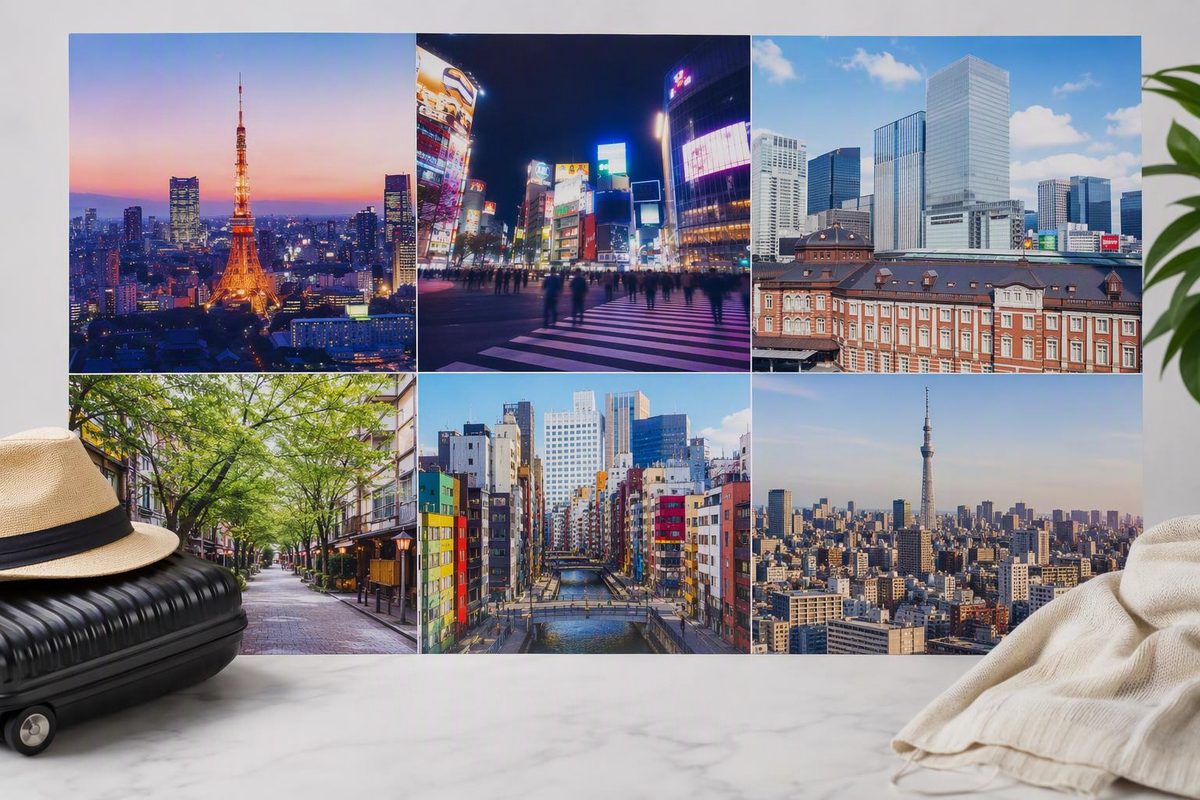
Compare six of the best neighborhoods to stay in Tokyo by trip area, nightlife, airport access, station complexity and transfer effort before booking.
For most first visits, Shinjuku is the best all-round base, Ueno is the practical choice for eastern Tokyo and Narita, and Shibuya is best for nightlife and western neighborhoods. Choose Asakusa for traditional atmosphere, Ginza for a polished central stay, or Shinagawa when Haneda and Tokaido Shinkansen connections matter most.
There is no single neighborhood that minimizes every journey. Pick the base that matches most of your itinerary—not the hotel that looks most central on a map.
Select where you will spend your days and any overriding priority; the tool recommends a base.
Tokyo Base Picker
Choose a valid trip area and priority.
Basis: the neighborhood roles and transport details summarized from GO TOKYO area guides and Keisei’s Skyliner information cited in the article.
| Neighborhood | Best for | Main compromise |
|---|---|---|
| Shinjuku | First visits, broad rail access, nightlife | Large station and busy streets |
| Shibuya | Nightlife, shopping, Harajuku and west Tokyo | Crowds and a complicated station |
| Ueno | Museums, Narita access and east Tokyo | Less convenient for repeated west-side days |
| Asakusa | Sensoji, older streets and quieter mornings | More transfers for Shinjuku and Shibuya |
| Ginza | Dining, shopping and central subway access | Luxury-shopping atmosphere may not suit every budget |
| Shinagawa | Haneda and the Tokaido Shinkansen | Business-hub feel around the station |
Shinjuku Is the Best All-Round Base
Shinjuku works when the itinerary spreads across Tokyo. JR, Keio, Odakyu, Tokyo Metro and Toei services converge here; the official city guide estimates 14 minutes to Tokyo Station by Chuo Rapid and about 55 minutes from Haneda by train or airport bus. It also places the skyscraper district west of the station, shopping and entertainment to the east, and the highway bus terminal on the south side (GO TOKYO).
That geography matters when choosing a hotel. Stay west for a more businesslike setting and access to the Metropolitan Government Building area. Stay east for Kabukicho, restaurants and later nights. A hotel near the South or New South gates can be useful for the bus terminal and shopping complexes.
Choose Shinjuku if: this is a first trip, your days range from west to east Tokyo, or you expect late dinners.
Think twice if: navigating a vast station every morning sounds tiring. A room advertised as “Shinjuku” may also be well away from the gate or operator you need, so check the walking route rather than distance alone. Our guide to navigating large Tokyo stations explains why the correct side can matter more than the shortest map distance.
Shibuya Is Best for Nightlife and Western Tokyo
Shibuya is the stronger choice when evenings revolve around Shibuya itself and daytime plans favor Harajuku, Omotesando, Daikanyama or Shinjuku. The station serves JR, Keio, Tokyu and three Tokyo Metro lines. GO TOKYO estimates seven minutes to Shinjuku on the Yamanote Line, while Harajuku and Omotesando are about a 20-minute walk from Shibuya Station (GO TOKYO).
A hotel north of the station suits Center-gai, Parco and Miyashita Park. One toward Sakuragaoka or the south side can put some distance between the room and the busiest nightlife, but may make certain platforms less direct.
Choose Shibuya if: nightlife, fashion, live music and west-side days dominate the trip.
Think twice if: most plans are in Asakusa, Ueno or around Tokyo Station. Those cross-city rides add up.
Ueno Is Best for Museums, Narita and Eastern Tokyo
Ueno combines a major JR station with the Ginza and Hibiya subway lines, while nearby Keisei-Ueno provides Keisei services. It is eight minutes from Tokyo Station and 24 minutes from Shinjuku by Yamanote Line, according to the official area guide (GO TOKYO). Ueno Park’s museums sit on one side of the station; Ameyoko and the denser restaurant streets extend toward Okachimachi on the other.
This makes Ueno efficient for Asakusa, Akihabara, Tokyo Station and museum days. It is also a convenient Narita base: Keisei’s Skyliner runs directly between the airport and Ueno, with Narita Airport Terminal 2·3 to Ueno advertised at 41 minutes (Keisei Electric Railway). Allow additional time to walk between Keisei-Ueno, JR Ueno and your hotel.
Choose Ueno if: you want east-Tokyo access, museums, lively inexpensive dining streets and a direct Narita train.
Think twice if: every evening is planned for Shibuya or Shinjuku. Check our Ueno Station exit guide before choosing between the park and Ameyoko sides.
Asakusa Is Best for Atmosphere and Early Temple Mornings
Asakusa places Sensoji, Nakamise and the Sumida River within walking distance. Its principal station is served by the Ginza, Toei Asakusa and Tobu Skytree lines. The official guide estimates 20 minutes from Tokyo Station with a change at Kanda, but 35 minutes from Shinjuku using the same basic transfer pattern (GO TOKYO).
The benefit is a neighborhood that feels distinct before day visitors arrive and after the busiest sightseeing hours. The cost is more transferring for west-Tokyo days. Also confirm which “Asakusa Station” a hotel map means: the Tsukuba Express has its own station in Nishi-Asakusa, separate from the Metro, Toei and Tobu complex (Tsukuba Express).
Choose Asakusa if: Sensoji, Skytree and older east-side neighborhoods are priorities.
Think twice if: nightlife or repeated west-side travel matters more than atmosphere. Use our Sensoji route and station guide for the temple approach.
Ginza Is Best for a Polished Central Stay
Ginza is a strong base for dining, department stores, Kabukiza and subway trips. Ginza Station has the Ginza, Marunouchi and Hibiya lines; Higashi-Ginza adds the Toei Asakusa Line. JR Yurakucho is about a five-minute walk away, and Tokyo Station about 15 minutes on foot, according to GO TOKYO (official Ginza guide).
Hotels near Higashi-Ginza can be more convenient for Asakusa Line journeys, while the Yurakucho edge is better for JR access. Ginza is less appealing if the trip centers on late nights in Shibuya and Shinjuku.
Choose Ginza if: centrality, restaurants, shopping and comparatively orderly streets take priority. Our Ginza walking guide shows how its station choices change a day’s route.
Shinagawa Is Best for Haneda and the Tokaido Shinkansen
Shinagawa is the logistical pick for a Haneda flight or a Tokaido Shinkansen trip toward Nagoya, Kyoto or Osaka. The station has JR, Keikyu and Shinkansen services. GO TOKYO estimates about 35 minutes by train from Haneda, 13 minutes from Tokyo Station and 14 minutes to Shibuya (official Shinagawa guide).
It can simplify a travel day involving luggage, but the blocks immediately around the station feel more like a transport and business hub than a classic sightseeing neighborhood.
Choose Shinagawa if: Haneda access or a Tokaido Shinkansen departure drives the decision.
Think twice if: you want to step outside into Tokyo’s strongest nightlife or historic streets.
Map Your Days Before Choosing a Hotel
Mark each full day as west (Shibuya, Harajuku, Shinjuku), central (Tokyo Station, Ginza) or east (Ueno, Asakusa, Skytree). Stay near Shinjuku or Shibuya if west wins, Ueno or Asakusa if east wins, and Ginza if central days dominate. Choose Shinagawa when Haneda or a westbound Shinkansen is the hardest constraint.
Then inspect the hotel’s actual walk to the required station entrance. In Tokyo, a five-minute walk to the right line is often more useful than a prestigious neighborhood name followed by a long underground crossing. Before booking a base, group your Tokyo days by area.